 Save
Save Last winter, I was sitting in a small café in Tokyo when the barista handed me something unexpected—a flat white made with hojicha instead of espresso. The first sip was revelatory: warm, nutty, almost caramel-like, but with an earthiness that made me sit still for a moment. I've been chasing that same feeling at home ever since, and honestly, it's become my favorite reason to wake up on cold mornings.
My roommate tried this version on a Tuesday afternoon, and she looked up from the cup with this surprised expression—like she'd just discovered something she didn't know she was missing. She asked me to make it again the next morning, and now it's become our quiet ritual before the day gets loud. There's something about sharing a warm drink that tastes this intentional.
Ingredients
- Hojicha loose leaf tea or tea bags: Two teaspoons (or two bags) steep into something deep and roasty—avoid the powdered versions for this, as the whole leaves give you a cleaner, more complex flavor that doesn't get muddy.
- Hot water at 90°C (195°F): This temperature matters more than you'd think; too hot and the tea becomes bitter and harsh, too cool and you miss the full flavor extraction in just a few minutes.
- Whole milk or oat milk, 120 ml (½ cup): Whole milk froths into the creamiest microfoam, but oat milk has caught up recently and actually adds a subtle sweetness that plays beautifully with the hojicha.
- Sugar, honey, or syrup (optional, 1 teaspoon): I learned the hard way that hojicha already carries its own gentle sweetness, so taste before you sweeten—you might not need it.
Tired of Takeout? 🥡
Get 10 meals you can make faster than delivery arrives. Seriously.
One email. No spam. Unsubscribe anytime.
Instructions
- Steep the hojicha concentrate:
- Pour 120 ml of hot water (around 90°C, which feels hot to the touch but won't scald your fingers) over your hojicha leaves or tea bags. Let it sit for 3–4 minutes, and you'll watch the water gradually deepen into a rich amber-brown color—that's when you know it's ready. Strain carefully and set aside in your warm cup.
- Heat and froth the milk:
- Warm your milk until it's steaming gently (you should smell it, not see aggressive bubbles). If you have a steam wand, hold the pitcher at an angle and let the steam create that smooth, velvety microfoam—listen for the soft hissing sound that means you're doing it right. No wand? Shake the milk vigorously in a closed jar for about a minute until it's airy and thick.
- Combine the base with sweetener:
- Your hojicha concentrate is already in the cup; now is the moment to add a teaspoon of honey or sugar if you're going that direction. Stir it in while the concentrate is still hot so it dissolves completely, leaving no grainy texture at the bottom.
- Pour and marry the flavors:
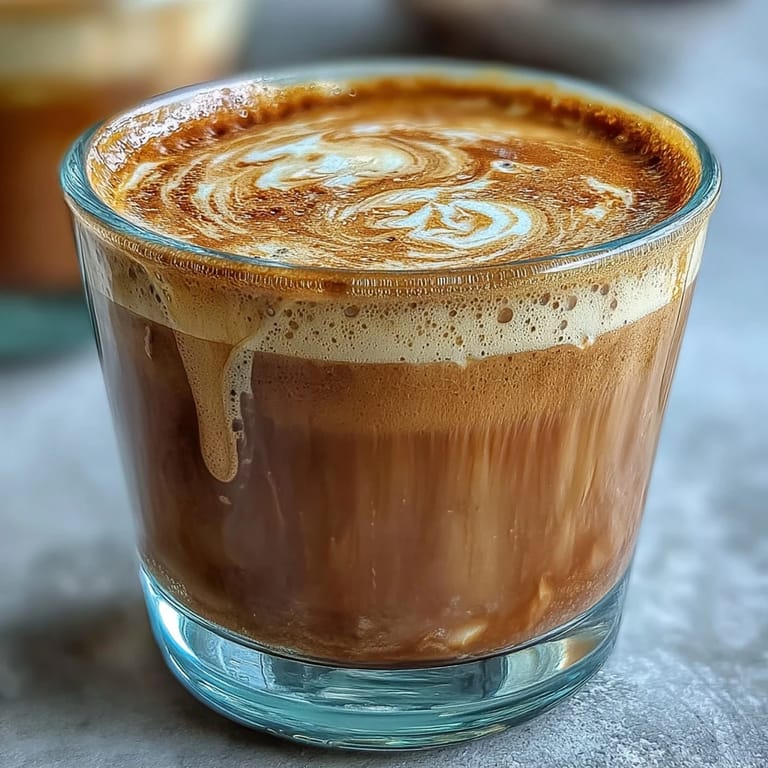
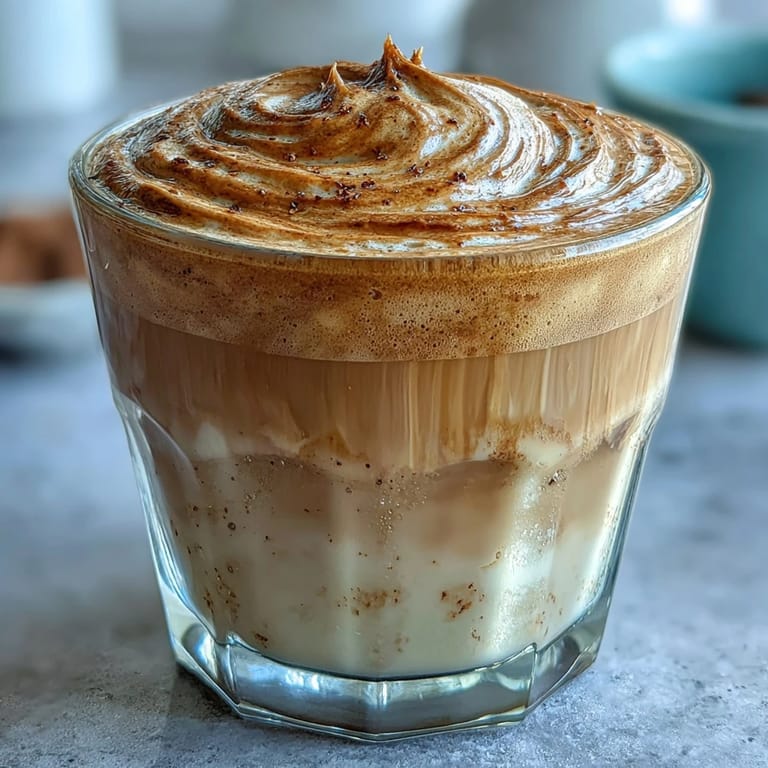
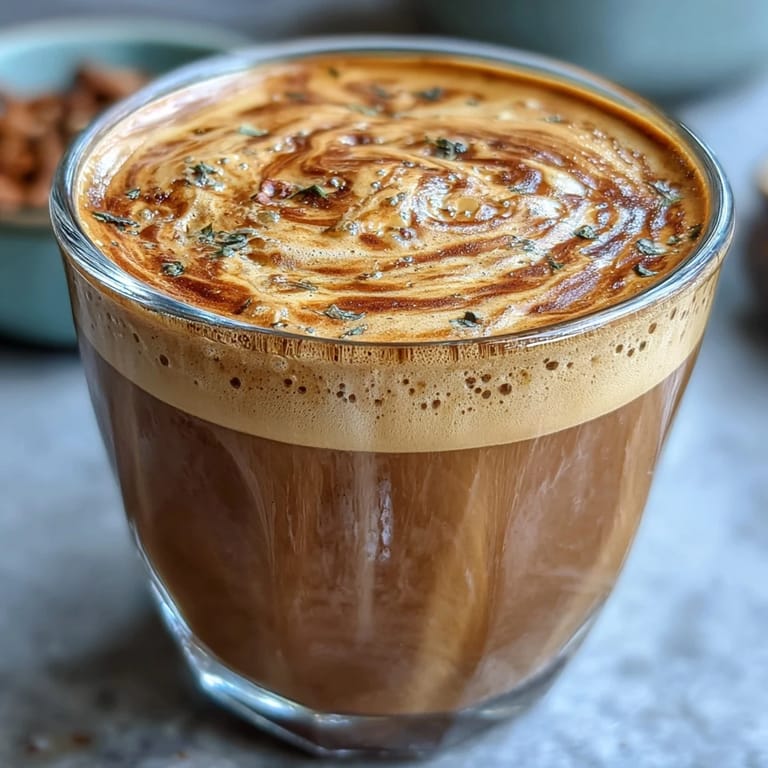
- This is the part that feels like art: pour the microfoamed milk slowly over the hojicha concentrate, holding back the foam with a small spoon so it lands last. You're aiming for a smooth blend where the two become one creamy drink, with a thin layer of foam sitting on top.
- Finish and serve:
- A tiny pinch of hojicha powder or cinnamon over the foam adds both flavor and visual appeal. Serve while everything is still warm and the foam is still intact.
 Save
Save One rainy afternoon, I made this for a friend who was going through a rough week, and she sat at my kitchen counter just holding the cup, not even drinking it at first. When she finally took a sip, her whole face softened. Sometimes food—or in this case, a really good warm drink—is just a small permission to pause.
The Art of Frothing Milk
If you don't have a steam wand, don't worry—a handheld frother or even a jar with a tight-fitting lid works beautifully. The goal is to create millions of tiny air bubbles suspended in warm milk, which gives you that creamy, silky texture. I've found that cold milk froths better than room-temperature milk, so pull it straight from the fridge, heat it gently, then froth. It sounds counterintuitive, but it actually works.
Customizing Your Hojicha Flat White
The beauty of this drink is how forgiving it is. Want it stronger? Steep for an extra minute or use three teaspoons of leaves instead of two. Prefer it less sweet naturally? Skip the honey and let the hojicha's toasted grain notes shine on their own. I've made versions with vanilla syrup, a touch of cardamom, even a hint of orange zest stirred into the hot water—each one felt like discovering a new room in a familiar house.
Why Hojicha Works Here
Hojicha is roasted green tea, which means it has this deeply comforting, almost nutty flavor that doesn't carry the grassy notes of regular green tea. It's naturally lower in caffeine than other teas, which I discovered when I could drink this in the evening without staring at the ceiling at midnight. The roasting process brings out these subtle caramel and toasty flavors that pair perfectly with creamy, velvety milk—it's a match that feels inevitable once you taste it.
- If you can't find hojicha locally, order it online from a Japanese tea supplier or a specialty coffee shop—it keeps well in an airtight container for months.
- Some people steep it in milk directly instead of water, which creates an even richer, creamier concentrate, though you'll want to strain it carefully.
- This drink is naturally vegetarian and gluten-free, and it becomes vegan with any plant-based milk you choose.
 Save
Save This drink has become my answer to mornings that feel too quiet or afternoons that need a moment of intentionality. There's something deeply satisfying about making it for yourself or someone else—about taking five minutes to create something that tastes this good.
Recipe FAQs
- → What makes hojicha different from regular green tea?
Hojicha is roasted green tea that has been charcoal-fired, resulting in a deep reddish-brown color and lower caffeine content. The roasting process creates distinctive nutty, toasty, and caramel-like notes that set it apart from the grassy, vegetal flavors of unroasted green teas like sencha or matcha.
- → Can I make this without a milk frother?
Absolutely. Heat your milk until steaming, then pour it into a clean glass jar and seal tightly. Shake vigorously for 30-60 seconds until frothy, or use a whisk to create foam by hand. The texture may be slightly less refined but still delicious.
- → What milk alternatives work best?
Oat milk froths exceptionally well and creates a creamy texture similar to dairy milk. Almond, soy, and coconut milk also work, though they may produce lighter foam. Avoid rice milk as it doesn't froth well due to its low protein content.
- → How do I adjust the strength?
Steep hojicha longer (up to 5 minutes) or increase the amount of tea leaves for a bolder flavor. For a lighter taste, reduce steeping time to 2 minutes or use slightly less tea. The roasted flavor remains pleasant even at different strengths.
- → Is hojicha lower in caffeine than coffee?
Yes, hojicha naturally contains significantly less caffeine than coffee—approximately 20-30mg per cup compared to 95mg in a typical coffee. This makes it an excellent choice for those sensitive to caffeine or enjoying a comforting warm drink later in the day.
- → Can I prepare hojicha concentrate in advance?
You can steep a larger batch of hojicha concentrate and store it in the refrigerator for up to 2 days. Reheat gently before adding frothed milk. The flavor develops nicely over time, though it's best enjoyed freshly made.