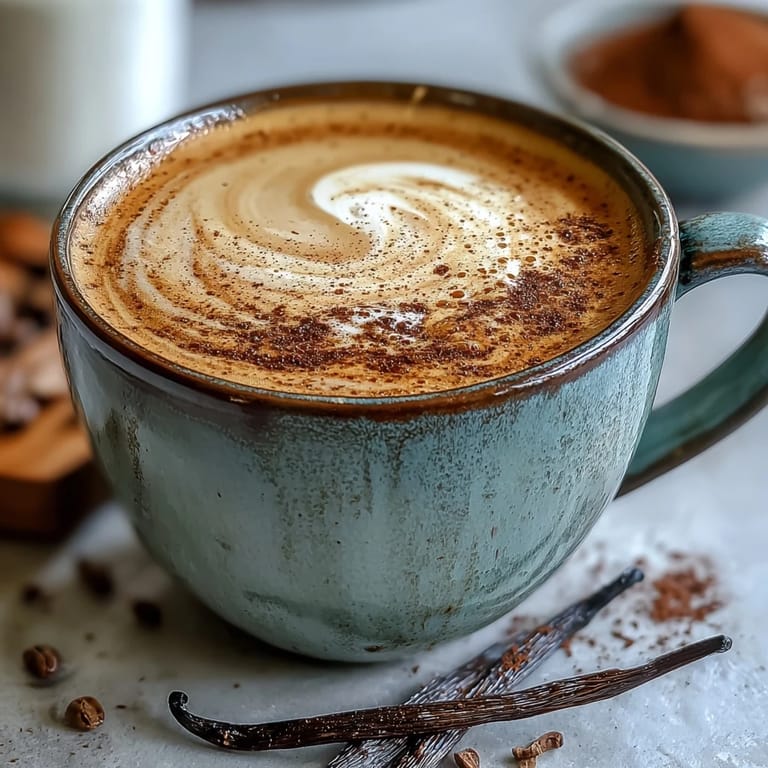
 Save
Save One rainy afternoon, a friend handed me a small tin of hojicha powder and said it would change how I think about tea. I was skeptical—I'd always been a coffee person—but something about the warm, toasted aroma made me curious. That first cup, finished in my quiet kitchen while rain tapped against the window, felt less like a caffeine jolt and more like an invitation to slow down. Now I can't imagine getting through cooler months without this ritual, especially when vanilla and creamy plant milk transform it into something that tastes like a warm hug.
I made this for my mom during a stressful work week, and she sat with the mug cradled in both hands, eyes closed, for what felt like five full minutes before speaking. When she finally did, she just said it tasted the way quiet feels. That became my favorite way to describe it, and now whenever someone tries it at my place, they understand immediately what she meant.
Ingredients
- Hojicha powder: This roasted green tea is the soul of the drink—the toasting brings out nutty, almost caramel-like notes that feel completely different from regular matcha. Start with one teaspoon per cup; you can adjust once you find your preferred strength.
- Plant milk (3/4 cup): Oat and soy milk create the silkiest texture and pair beautifully with the vanilla, though almond milk works if that's what you have on hand. Cold milk steams better than refrigerator-warm milk, so take it out just before you're ready to heat it.
- Pure vanilla extract: Use real vanilla, not imitation—the difference is subtle but real, and it deserves to shine here. A half teaspoon is generous enough to make itself known without overwhelming the delicate hojicha flavor.
- Maple syrup or sweetener (1–2 teaspoons, optional): I tend toward maple because it echoes the toasted notes in the tea, but honey, agave, or even coconut sugar all work beautifully depending on your mood.
- Boiling water (1/4 cup): Use water that's actually boiling—not just hot—so the powder fully dissolves and creates that lovely frothy layer on top.
Tired of Takeout? 🥡
Get 10 meals you can make faster than delivery arrives. Seriously.
One email. No spam. Unsubscribe anytime.
Instructions
- Whisk the hojicha into boiling water:
- Pour the boiling water directly into your mug, then add the hojicha powder a little at a time while whisking constantly. The powder should dissolve into a smooth, slightly frothy mixture that smells absolutely incredible—this is the moment I pause and just breathe it in.
- Heat the plant milk until steaming:
- Either pour the milk into a small saucepan over medium heat or use a milk frother if you have one. You're aiming for that moment when wisps of steam rise but it's not yet boiling; it usually takes about three to four minutes.
- Flavor the steamed milk:
- While the milk is still hot, stir in the vanilla extract and sweetener if you're using it. Taste it on a spoon before pouring—this is your chance to adjust the sweetness to exactly what you want today.
- Combine and serve:
- Pour the vanilla-infused milk slowly over the hojicha base, stirring gently as you go. The layers will blend into a beautiful warm brown, and you'll notice the aroma shift and deepen as the milk cools the tea slightly.
 Save
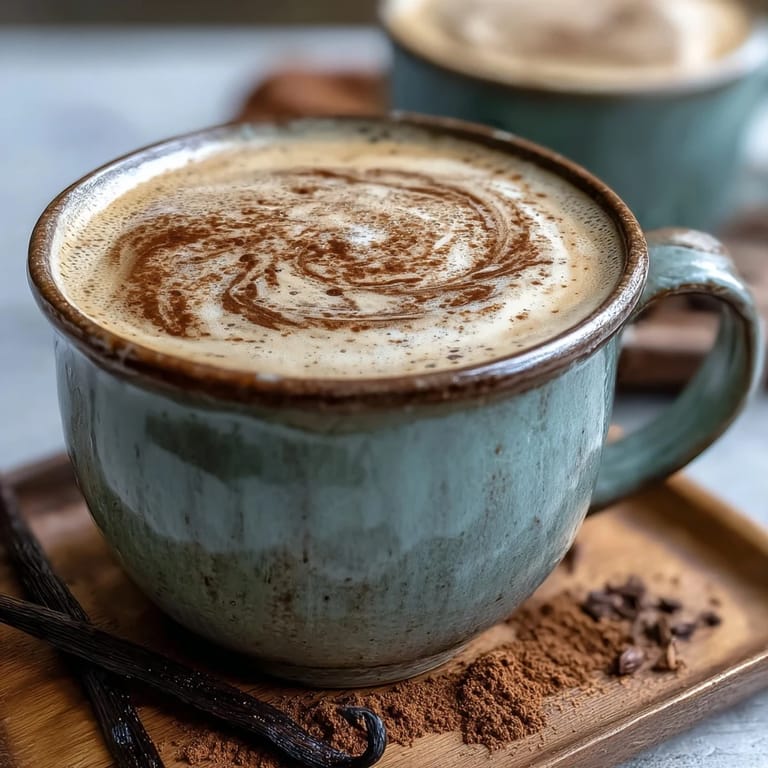
Save My neighbor started coming over on Tuesday mornings just for this, and we'd sit at my kitchen counter talking about everything while the steam rose from our mugs. It became less about the drink and more about that quiet pocket of time carved out before the day got loud. The hojicha latte became the excuse, but the ritual became the real gift.
The Magic of Hojicha
Hojicha is what happens when someone takes a green tea and decides it deserves a second act. The roasting process transforms it completely—the grassy sharpness mellows into something warm and almost chocolate-like, with hints of nuts and caramel. Unlike regular matcha, which can feel intense and earthy, hojicha has this gentle, approachable quality that makes it perfect for people who don't usually reach for tea.
Why Plant Milk Matters Here
This latte lives or dies by the plant milk you choose, and I say that with zero exaggeration. Oat milk creates a natural sweetness and creaminess that feels almost buttery; soy milk froths like a dream and adds a subtle protein richness. Almond milk is thinner and more delicate, which actually works beautifully if you want the hojicha to be the star.
Making It Your Own
Once you've made this a few times, you'll start thinking about small variations that suit your mood or the season. Some mornings I add a pinch of cardamom; other times I use a touch of brown sugar instead of maple syrup. The base is forgiving enough that you can play around without breaking anything.
- Try adding a tiny pinch of sea salt—it brightens the vanilla and makes the hojicha taste more complex without tasting salty.
- If you have matcha, blend a quarter teaspoon into the milk for an extra layer of green tea flavor and a gorgeous color shift.
- On cooler evenings, froth the milk extra vigorously so you get a thick, pillowy layer on top that cools to the perfect drinking temperature naturally.
 Save
Save This latte has become my answer to the question what do you do when you need to feel like yourself again. It's simple enough to make on autopilot, but thoughtful enough that it feels like a small act of kindness toward yourself.
Recipe FAQs
- → What does hojicha taste like?
Hojicha has a distinctive earthy, nutty flavor with subtle caramel notes. Unlike other green teas, the roasting process reduces bitterness and creates a warm, toasty profile that pairs beautifully with creamy milk and vanilla sweetness.
- → Is hojicha lower in caffeine than regular green tea?
Yes, hojicha naturally contains less caffeine than other green teas because the roasting process breaks down some caffeine compounds. This makes it an excellent choice for afternoon or evening enjoyment when you want a warm beverage without sleep disruption.
- → Which plant milk works best for this latte?
Oat and soy milk create the creamiest texture and froth well, making them ideal choices. Almond milk also works but produces a lighter consistency. Choose unsweetened varieties to control sweetness levels with your preferred sweetener.
- → Can I use vanilla instead of vanilla extract?
While vanilla extract provides concentrated flavor without altering the liquid ratio, you can substitute with vanilla bean paste or scrape half a vanilla bean into the hot milk. Avoid using vanilla sugar as it adds unwanted sweetness before you can adjust to taste.
- → How do I get the perfect froth on my latte?
Use a handheld milk frother or immersion blender to create maximum froth. Heat the milk until steaming but not boiling, then froth vigorously before pouring over the dissolved hojicha. The froth adds a luxurious texture and helps distribute the vanilla flavor throughout each sip.