 Save
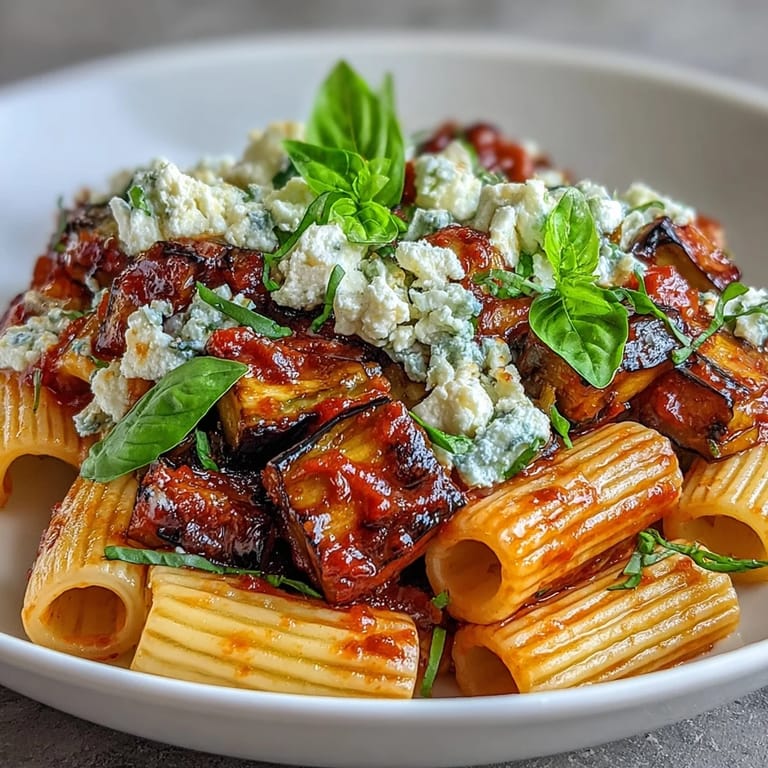
Save My neighbor Maria handed me a bowl of Pasta alla Norma on a sweltering August afternoon, steam rising from the eggplant-studded pasta as cicadas droned in the background. She'd made it the way her nonna taught her—roasted eggplant until it turned golden and almost caramelized, swimming in a tomato sauce that tasted like summer itself. I remember thinking how something so simple could taste so complete, and how the salty bite of ricotta salata made every forkful sing. That one bowl changed how I cooked entirely, and now whenever I make it, I'm back in that humid kitchen with her laughter echoing off the tiles.
I made this for a dinner party once when I was still nervous about cooking for others, and a friend who claimed he didn't like eggplant went back for seconds. Watching him taste it, close his eyes for a second, and then reach for more was the moment I understood that good food can change minds. The pasta was dressed perfectly—saucy but not soupy—and the basil scattered across the top made the whole table smell like an Italian garden.
Ingredients
- Eggplant (1 large, about 400 g, cut into 2 cm cubes): Cut them roughly the same size so they roast evenly; this is when I learned that even sizing actually matters in cooking, not just in baking.
- Garlic cloves (2, finely chopped): Fresh garlic is non-negotiable here since it's such a small cast of characters—there's nowhere to hide a jar of minced stuff.
- Onion (1 medium, finely chopped): It becomes almost sweet and jammy as it cooks down, building the foundation for the sauce.
- Fresh basil (1 small bunch, leaves picked): Save some for the end—that final scatter of fresh basil is your last chance to bring brightness to every bite.
- Rigatoni or penne pasta (400 g): The ridges and tubes catch the sauce beautifully, so skip the spaghetti and thin shapes here.
- Canned whole peeled tomatoes (800 g): Crush them by hand rather than blending—you want texture, not a silky purée.
- Extra-virgin olive oil (3 tbsp): This is your flavor backbone, so use something you actually enjoy tasting on its own.
- Dried chili flakes (1/2 tsp, optional): A whisper of heat cuts through the richness without overwhelming anyone at your table.
- Salt and freshly ground black pepper: Add it in layers as you cook rather than all at once, tasting as you go.
- Ricotta salata, grated or crumbled (80 g): This salty, slightly firm cheese is the final flourish that ties everything together—don't skip it or substitute with something mild.
Tired of Takeout? 🥡
Get 10 meals you can make faster than delivery arrives. Seriously.
One email. No spam. Unsubscribe anytime.
Instructions
- Get your oven ready:
- Preheat to 220°C (430°F) while you prep everything else; I always turn my oven on first so I'm never standing around waiting.
- Prep and roast the eggplant:
- Toss your cubes with 2 tablespoons of olive oil and a pinch of salt, spread them on a baking tray in a single layer, and roast for 25–30 minutes, stirring halfway through. You'll know they're ready when the edges turn golden and crispy and the insides feel fork-tender.
- Build your sauce base:
- While the eggplant roasts, heat 1 tablespoon olive oil in a large skillet over medium heat and add the chopped onion. Cook gently for about 5 minutes until it softens and turns translucent, then add your minced garlic and chili flakes (if using), stirring constantly for just a minute so the garlic doesn't burn.
- Add the tomatoes:
- Crush the canned tomatoes by hand or with the back of a spoon—you want some texture in there, not a smooth sauce. Pour them into the skillet with all their juices, season with salt and pepper, and let it simmer uncovered for 15–20 minutes, stirring every few minutes, until the sauce darkens slightly and thickens.
- Cook the pasta:
- Bring a large pot of salted water to a rolling boil and add your rigatoni or penne, stirring it once so it doesn't stick together. Cook until al dente—that sweet spot where it still has just a tiny bit of resistance when you bite it—then reserve about 1/2 cup of the starchy cooking water before you drain the pasta.
- Bring everything together:
- Add your golden roasted eggplant and most of the fresh basil to the tomato sauce, stirring gently to combine, and let it simmer for just 2 more minutes so the flavors mingle. Pour the drained pasta into the sauce and toss it all together, adding a splash of that reserved pasta water if it needs more fluidity.
- Plate and finish:
- Divide the pasta among bowls and top each one with a generous handful of grated ricotta salata and a few fresh basil leaves right before serving, so they don't wilt.
 Save
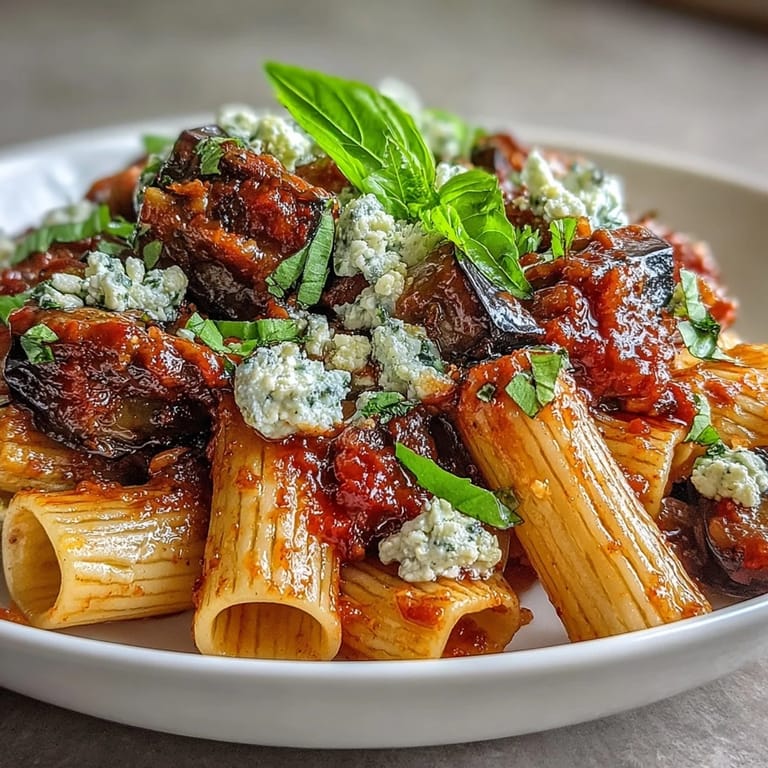
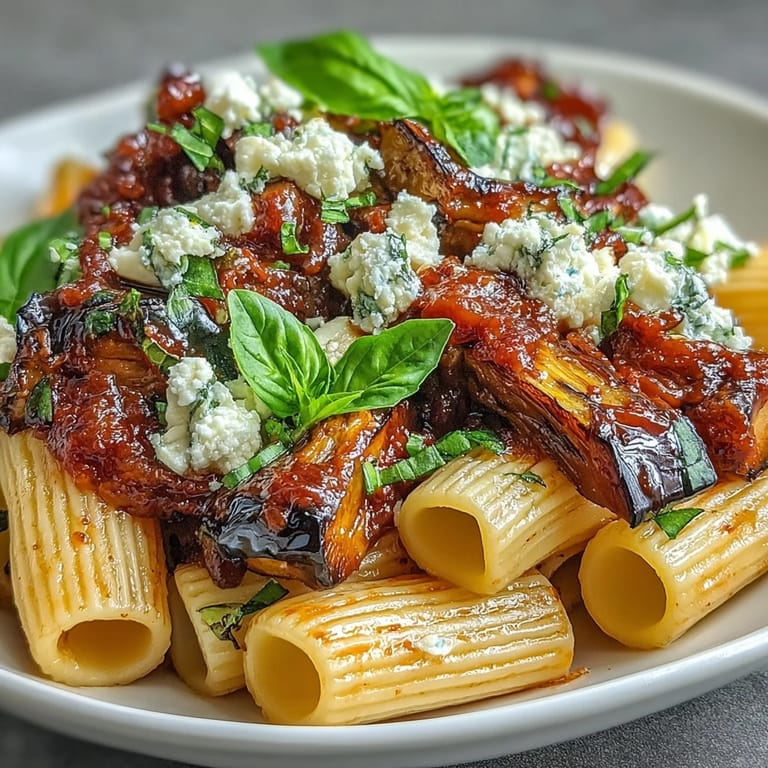
Save There's something magical about how the warm pasta melts slightly into the cool, salty ricotta salata when you first toss it all together. It's one of those dishes where every single ingredient has a job, and removing any of them would break the spell.
Why the Eggplant Deserves Your Patience
Roasting eggplant changes everything about how it behaves in a dish. When I first started cooking, I'd always try to sauté eggplant in a pan, and it would turn into an oil-logged sponge. The moment I switched to roasting it, I understood why this vegetable gets celebrated in Mediterranean kitchens—it becomes almost meaty, with crispy edges and a silky, almost custardy center that's nothing like what you get from pan-frying.
The Sauce Isn't Just Tomato
What makes this sauce special is how the onions and garlic cook down into something almost caramel-like, sweetening the acidity of the tomatoes and creating depth you wouldn't expect from three ingredients. The chili flakes (if you use them) don't announce themselves loudly; instead, they sit quietly in the background, nudging your palate awake without making anyone uncomfortable. This is the kind of sauce that tastes better the next day, once everything has had time to get to know each other.
Ricotta Salata Is Not Optional
I've watched people try this dish with parmesan or feta, and while those cheeses aren't wrong exactly, they miss the point entirely. Ricotta salata brings a specific salty, almost grassy quality that feels essential to the whole composition, and it doesn't melt into the hot pasta—it stays distinct, offering little crunchy-salty surprises with every bite.
- If you absolutely can't find ricotta salata, Pecorino Romano is your next-best option and will keep that sharp, salty character alive.
- Grate it fresh or crumble it by hand just before serving so it stays textured and doesn't disappear into the warm sauce.
- This is a summer dish at heart, so make it when tomatoes and basil are at their peak, even if it means waiting until August.
 Save
Save This is the kind of dish that reminds you why simple Italian cooking has lasted centuries. Make it once and you'll find yourself coming back to it again and again, each time understanding it a little better than before.
Recipe FAQs
- → What does Pasta Alla Norma mean?
This classic Sicilian dish is named after Opera Norma by Vincenzo Bellini. Legend says a critic described it as 'norma'—meaning perfect—when tasting the combination of eggplant, tomato, and salty cheese that defines Catania's most famous pasta creation.
- → Can I make Pasta Alla Norma without eggplant?
While eggplant is essential to the traditional dish, you can substitute with zucchini or bell peppers for a similar texture. For a completely different version, try cauliflower florets roasted until tender and caramelized.
- → What can I substitute for ricotta salata?
Pecorino Romano offers a similar salty bite, while aged provolone provides a milder alternative. Feta works well too, though it's creamier and more tangy. For vegan versions, nutritional yeast or vegan feta can provide that salty, cheesy finish.
- → Why do I need to roast the eggplant first?
Roasting eggplant at high heat caramelizes the natural sugars, creating a tender, creamy interior with golden edges. This step concentrates the flavor and prevents the eggplant from becoming mushy or bitter when added to the sauce.
- → How do I prevent the eggplant from absorbing too much oil?
Toss cubes with just enough oil to coat lightly, use your hands to distribute evenly. Roasting at 220°C with occasional turning creates that golden exterior without excessive oil absorption. A well-preheated tray also helps sear quickly.
- → Can I make the sauce ahead of time?
Absolutely. The tomato sauce actually improves after resting—make it up to 3 days ahead and refrigerate. Reheat gently while the pasta cooks, adding the roasted eggplant in the final minutes. This makes weeknight assembly incredibly quick.