 Save
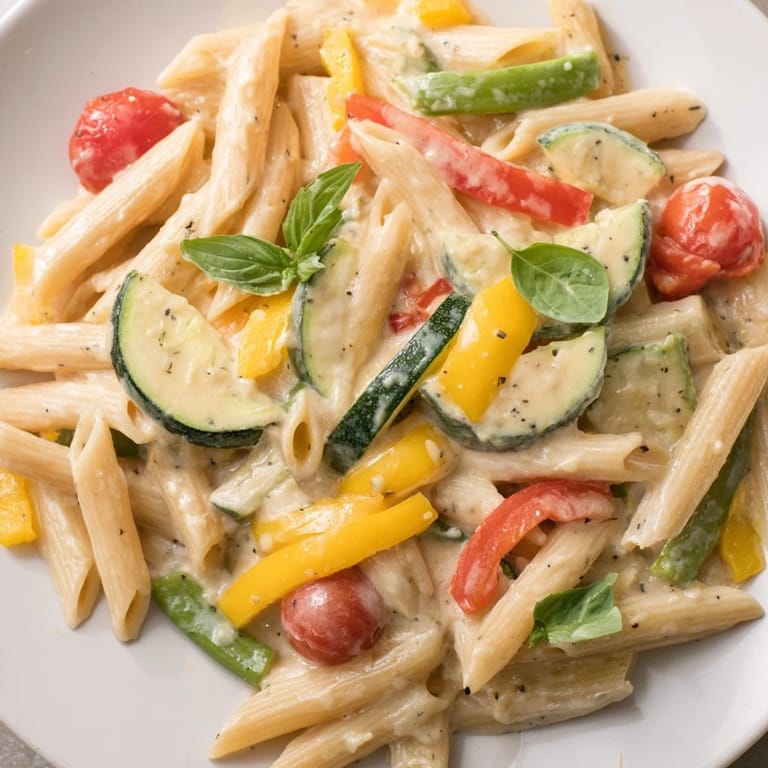
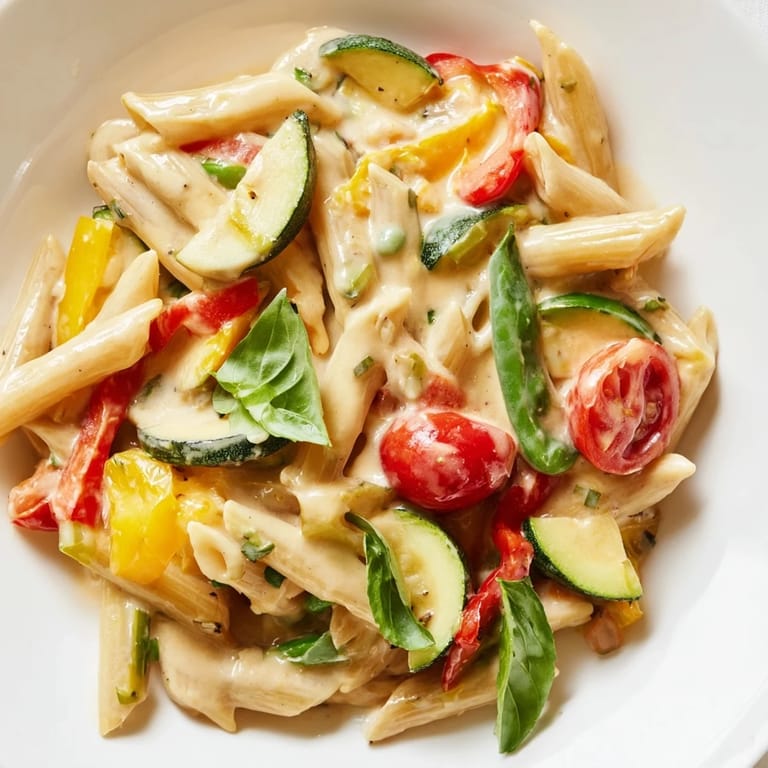
Save My kitchen counter was covered in vegetables one Wednesday night when I realized I had no desire to wash another pot. I threw everything into one big Dutch oven with the pasta and broth, stirred it every few minutes, and watched it turn into something creamy and colorful without any drama. The pasta absorbed the broth, the vegetables softened just right, and the Parmesan melted into a sauce that clung to every piece. It felt like cheating, but in the best way possible.
I made this for my sister during a visit when she was exhausted from travel. She sat at the table while I cooked, and we talked the whole time without me disappearing into the kitchen for half an hour. When I brought the pot to the table and served it straight from there, she laughed and said it felt like a cozy weeknight in Italy, even though we were in my tiny apartment. That ease became the whole point of the dish for me.
Ingredients
- Penne or fusilli pasta: Short pasta with ridges or twists catches the creamy sauce better than smooth shapes, and it cooks evenly when simmered with the vegetables.
- Zucchini: Slice it into half-moons so it softens quickly without turning to mush, and it adds a mild sweetness that balances the richness.
- Red and yellow bell peppers: Dice them into bite-sized pieces for pops of color and a slightly sweet, fruity flavor that brightens every forkful.
- Cherry tomatoes: Halve them so they release their juices into the sauce, adding a fresh acidity that cuts through the cream.
- Snap peas: Trim and halve them for a crisp, green crunch that stays vibrant even after simmering.
- Carrot: Slice it thin so it softens in the same time as the pasta, and it adds a subtle earthiness and natural sweetness.
- Garlic: Mince it fine and sauté it first to release its aroma into the oil, building a flavorful base for everything else.
- Olive oil: A good quality oil adds richness and helps the garlic and vegetables soften without sticking to the pot.
- Vegetable broth: This is what cooks the pasta and infuses it with flavor, so use a broth you would actually want to sip on its own.
- Heavy cream: Stir it in at the end to create a luscious, silky sauce that coats the pasta without needing a separate pan.
- Parmesan cheese: Freshly grated melts smoothly into the sauce and adds a nutty, salty depth that ties everything together.
- Dried Italian herbs: A pinch of oregano, basil, and thyme adds warmth and makes the whole pot smell like a trattoria.
- Fresh basil: Stir it in at the very end so it stays bright green and fragrant, adding a fresh herbal note right before serving.
Tired of Takeout? 🥡
Get 10 meals you can make faster than delivery arrives. Seriously.
One email. No spam. Unsubscribe anytime.
Instructions
- Sauté the vegetables:
- Heat olive oil in a large pot over medium heat, then add garlic and let it sizzle for about 30 seconds until fragrant. Toss in the zucchini, bell peppers, carrot, and snap peas, stirring them around for 3 to 4 minutes until they start to soften and smell sweet.
- Add pasta and broth:
- Pour in the uncooked pasta, halved cherry tomatoes, and vegetable broth, stirring everything together so the pasta is submerged. Bring it to a boil, then lower the heat to a gentle simmer, cover the pot, and cook for 10 to 12 minutes, stirring every few minutes so nothing sticks to the bottom.
- Finish with cream and cheese:
- Once the pasta is tender and most of the liquid is absorbed, stir in the heavy cream, grated Parmesan, and Italian herbs. Let it simmer uncovered for 3 to 4 minutes, stirring frequently, until the sauce thickens and clings to the pasta.
- Season and garnish:
- Taste and add salt and black pepper as needed, then remove the pot from the heat and stir in the fresh basil. Serve it hot, straight from the pot, with extra Parmesan and basil on top if you like.
 Save
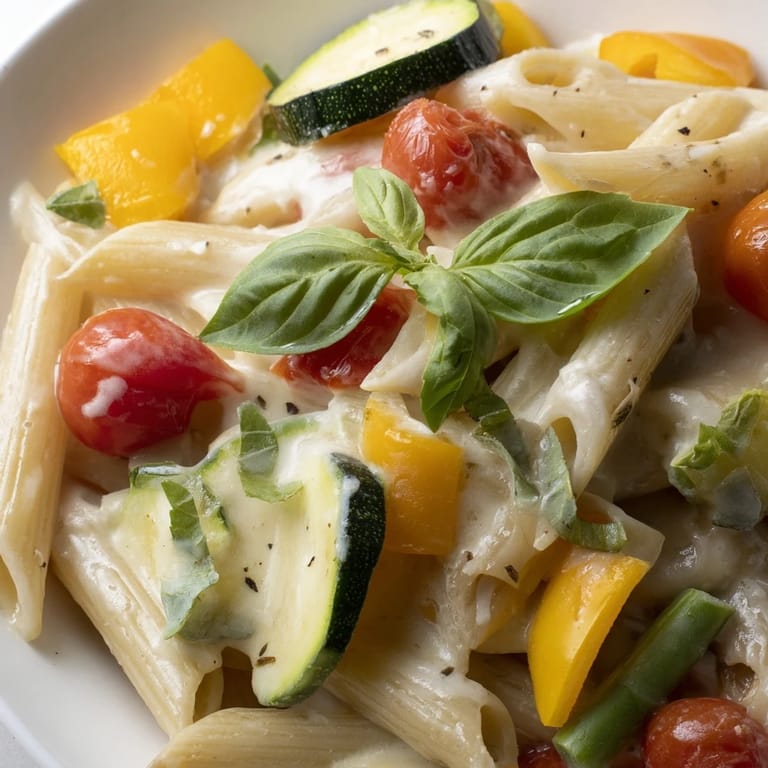
Save One evening I made this after a long day and ate it right out of the pot with a wooden spoon while standing at the stove. The steam rose up and fogged my glasses, and the creamy, veggie-loaded pasta tasted like comfort without any fuss. It reminded me that good food does not need to be complicated or plated perfectly to feel like a gift to yourself.
Swapping and Adding Vegetables
You can toss in asparagus tips, broccoli florets, or baby spinach in the last few minutes of cooking without changing the timing much. I have also used frozen peas straight from the bag, and they warmed up perfectly in the residual heat. Just keep the total amount of vegetables roughly the same so the broth ratio stays balanced and the pasta cooks through.
Making It Dairy-Free or Vegan
Swap the heavy cream for a thick plant-based cream like cashew or oat, and use nutritional yeast or a vegan Parmesan alternative for the cheesy flavor. The starch from the pasta will still help thicken the sauce, so it turns out creamy and satisfying. I have made this version for friends who avoid dairy, and they could not tell the difference.
Storing and Reheating Leftovers
Store any leftovers in an airtight container in the fridge for up to three days, though the pasta will absorb more sauce as it sits. When reheating, add a splash of broth or water and warm it gently on the stove, stirring often, so the cream does not separate. I actually love the leftovers because the flavors meld together overnight and taste even richer the next day.
- Reheat on low heat with a bit of extra liquid to bring back the creamy texture.
- Do not microwave on high or the cream will break and the pasta will dry out.
- Top with fresh herbs and a drizzle of olive oil before serving to brighten it back up.
 Save
Save This dish has become my go-to when I want something satisfying without spending an hour in the kitchen or facing a sink full of pots. It tastes like you put in way more effort than you actually did, and that is the kind of magic every weeknight needs.
Recipe FAQs
- → Can I use a different type of pasta?
Yes, penne and fusilli work best for their shape and texture, but rigatoni, farfalle, or even linguine can be substituted. Adjust cooking time slightly based on your pasta's thickness.
- → How do I make this dairy-free?
Replace heavy cream with plant-based alternatives like oat or cashew cream, and use dairy-free Parmesan or nutritional yeast. The dish maintains its creamy texture and rich flavor with these swaps.
- → What vegetables work best for this dish?
Use tender vegetables that cook quickly: zucchini, bell peppers, asparagus, snap peas, cherry tomatoes, and baby spinach. Harder vegetables like broccoli may need pre-cooking before adding to the pot.
- → Can I prepare this ahead of time?
Chop vegetables and store them separately ahead of time. However, cook the pasta fresh just before serving, as it continues absorbing liquid and may become mushy if stored in the sauce.
- → What's the best way to prevent the pasta from sticking?
Stir occasionally as the pasta cooks in the broth. The liquid prevents sticking better than oil alone, and the final cream addition further separates the pasta strands.
- → Can I use water instead of vegetable broth?
Vegetable broth adds depth and flavor, but water works in a pinch. To compensate, increase seasonings with salt, herbs, or a splash of white wine for complexity.