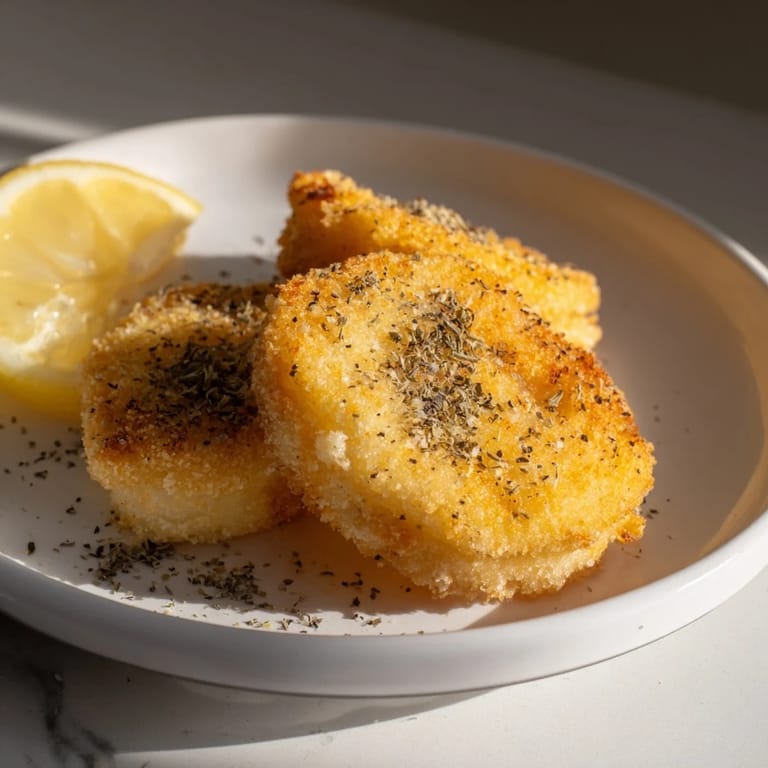
 Save
Save There's a particular magic to watching cheese transform from pale and solid to golden and bubbling in a hot pan. I first encountered saganaki at a small taverna in Athens, where the owner would fry it tableside with theatrical flair, and the smell alone made me forget every other dish on the menu. Years later, I recreated it in my own kitchen and discovered that the magic isn't really magic at all—it's just butter-soft cheese with a crispy exterior, ready to sing when lemon hits it hot.
I made saganaki for the first time at home on a weeknight when my neighbors stopped by unannounced. I had no fancy appetizers, just this cheese and the confidence that heat and olive oil could fix everything. The moment that cheese hit the pan and started sizzling, their faces lit up—and I realized I'd stumbled onto something that feels restaurant-quality but requires almost no skill, just attention and timing.
Ingredients
- Firm Greek cheese (kasseri, kefalotyri, or halloumi), sliced 1 cm thick: The thickness matters because you want the inside to stay creamy while the outside crisps up; thinner slices can turn rubbery, thicker ones might stay cold in the middle.
- All-purpose flour (or gluten-free flour): This isn't about flavor—it's a shield that helps the cheese brown evenly without the outside burning before the inside gets warm.
- Olive oil: Use good olive oil because you'll taste it directly; this isn't the place to go cheap.
- Fresh lemon wedges: The acid cuts through the richness and wakes up every taste bud the moment it hits the hot cheese.
- Dried oregano and black pepper: Oregano is non-negotiable for Greek cheese—it's the flavor signature that makes people know exactly what they're eating.
Tired of Takeout? 🥡
Get 10 meals you can make faster than delivery arrives. Seriously.
One email. No spam. Unsubscribe anytime.
Instructions
- Dry Your Cheese:
- Pat each slice with paper towels until no moisture clings to the surface. Dry cheese fries; wet cheese steams and won't crisp up.
- Coat Lightly:
- Roll each slice in flour, then tap it against the plate to shake away the excess. You want a thin, barely-there coating, not a heavy crust.
- Heat Your Oil:
- Let the skillet get hot enough that a tiny pinch of flour sizzles immediately when it hits the pan. This is your signal that you're ready.
- Fry Until Gold:
- Place cheese slices in the pan and listen for the sizzle to stay strong and steady. After about 90 seconds, peek at the underside—it should be deep golden, almost caramel colored.
- Flip and Repeat:
- Flip gently (the cheese will want to stick slightly; this is normal) and cook the other side until it matches the first. Total time is about 2 minutes per piece.
- Rest and Plate:
- Transfer to paper towels for just 30 seconds to lose the greasiness, then move to your serving plate. Speed matters here—you want it hot when it arrives at the table.
- Finish and Serve:
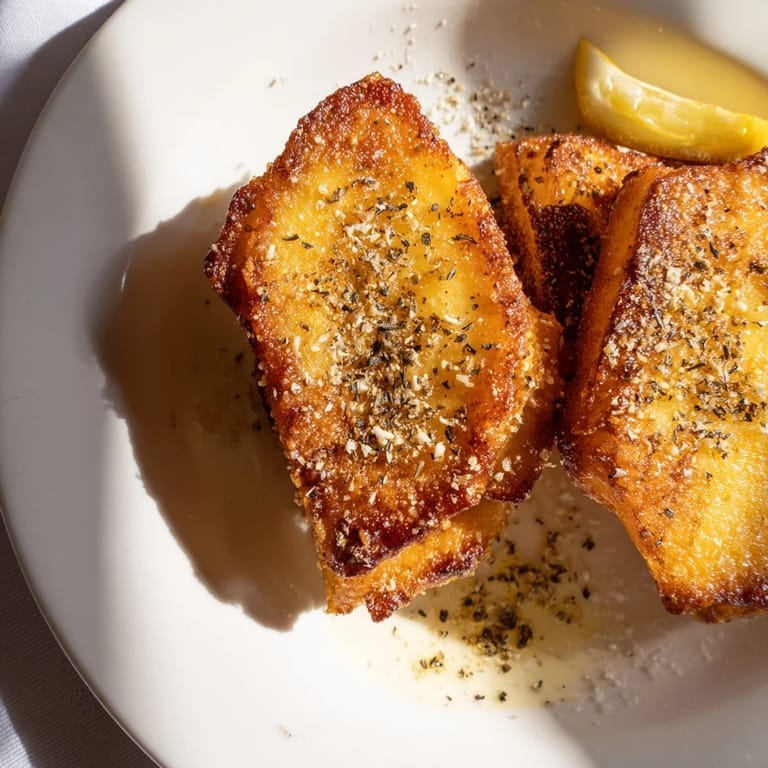
- Sprinkle with oregano and fresh black pepper while the cheese is still steaming. Set the lemon wedges alongside and serve immediately so people can squeeze the juice right over the warm cheese.
 Save
Save I'll never forget serving this to my partner's parents, watching their skepticism turn to quiet amazement as they bit into that warm, salty cheese and felt it give way immediately. It was the moment I realized that sometimes the simplest things—cheese, heat, lemon—tell the most memorable food stories.
Choosing Your Cheese
Kasseri is the traditional choice because it has a high melting point and holds its shape beautifully in the pan. Kefalotyri works just as well and has a slightly sharper flavor that some people prefer. Halloumi is buttery and mild, making it a gateway into saganaki for people who are new to fried cheese. Graviera is a dark horse option with a nutty sweetness that makes this dish feel almost unexpected. The best choice is whatever firm Greek cheese your market has that day—this recipe is forgiving enough that the cheese matters more than the name.
The Science of the Sizzle
Saganaki works because firm cheese has a high melting point; it softens inside while the outside browns, rather than melting into a puddle. The flour coating accelerates browning through the Maillard reaction—the same reason bread crusts are brown and flavorful. The oil temperature matters because too-cool oil makes the cheese greasy, while properly hot oil seals the surface and crisps it before the inside has time to escape. Understanding this takes the mystery out of the sizzle and turns it into something you can repeat perfectly every time.
Serving and Pairing Ideas
Saganaki shines brightest when served with crusty bread to catch the last bits of melted cheese and lemon juice left on the plate. On a larger table, it's perfect as part of a mezze spread alongside olives, warm pita, and tzatziki. The sharp salty character pairs beautifully with crisp white wines like Assyrtiko or Vermentino, where the wine's acidity mirrors the lemon's brightness. For a casual appetizer, nothing beats saganaki with ouzo or iced water, the way Greeks serve it in tavernas.
- Make extra and keep it warm in a low oven while your guests arrive—it reheats beautifully for 2–3 minutes.
- Offer both lemon and a small dish of honey on the side; some people love the sweet-salty contrast.
- Prepare all your cheese slices and coat them with flour before the guests arrive so you can cook right when they're seated.
 Save
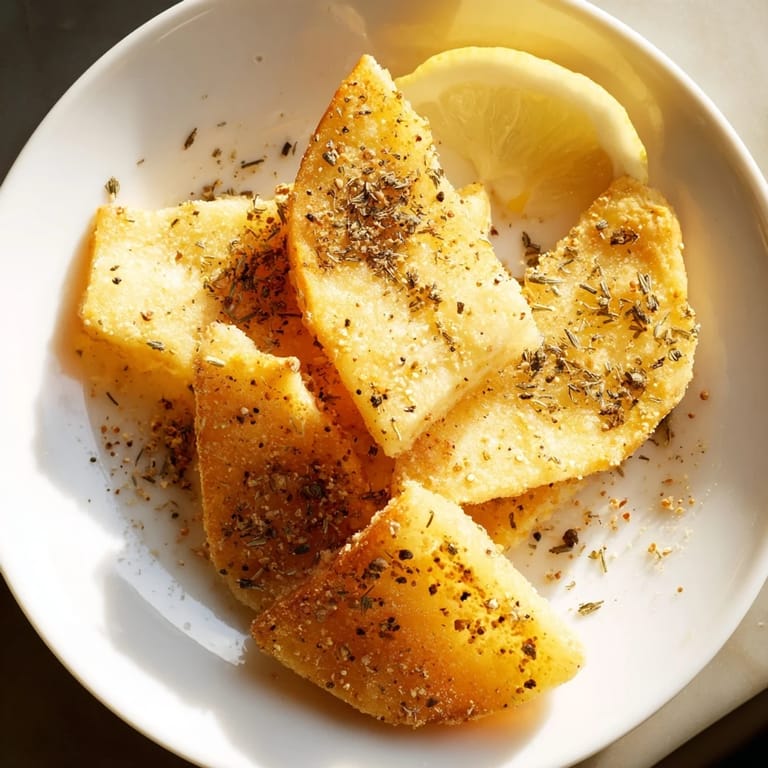
Save Saganaki reminds me that some of the most beloved dishes are the ones built on just a few honest ingredients and the confidence to let them speak for themselves. Make this, serve it hot, and watch how quickly it disappears from the plate.
Recipe FAQs
- → What type of cheese is ideal for saganaki?
Firm Greek cheeses such as kasseri, kefalotyri, halloumi, or graviera work best due to their ability to hold shape when fried.
- → Can I make this gluten-free?
Yes, substitute all-purpose flour with gluten-free flour to keep the coating crisp and safe.
- → How is the cheese prepared before frying?
Cheese slices are patted dry, lightly dredged in flour, and then fried in olive oil until golden and crisp.
- → What flavors accompany this dish?
The cheese is finished with a sprinkle of dried oregano, black pepper, and a squeeze of fresh lemon for brightness.
- → What is the best way to serve saganaki?
Serve hot with lemon wedges for squeezing and optionally alongside crusty bread or as part of a mezze platter.