 Save
Save My neighbor Sarah showed up at my door one afternoon with a pickle jar and a mischievous grin, asking if I wanted to try something weird she'd discovered at a potluck. Twenty minutes later, I was pulling golden, crispy cheese-wrapped pickles from my skillet and wondering why I'd never thought of this before. That first bite—the snap of melted cheese against the tangy brine—felt like accidentally unlocking a secret snack that had been hiding in plain sight. It's become my go-to when I need something fast that still feels a little fancy, the kind of thing that makes people ask for the recipe before they've even swallowed.
I made these for a game night last year when someone showed up with nothing but an apology and hungry hands. By the time I'd rolled the fourth one, everyone was crowded around the stove asking what smelled so good. There's something about pulling these straight from the pan and watching people's faces light up that never gets old—that moment when they realize it's just cheese and pickles, and somehow it's genius.
Ingredients
- Mozzarella or cheddar cheese, 8 slices (about 20 g each): Mozzarella gets stretchy and forgiving, while cheddar gives you more flavor and color—either way, you want slices thin enough to melt quickly but sturdy enough to wrap without tearing.
- Dill pickle spears, 8 well-drained: The dryness matters more than you'd think; wet pickles steam the cheese instead of crisping it, so really pat them down with paper towels.
- Fresh dill, 1 tbsp finely chopped (optional): A whisper of fresh dill on the warm rolls adds brightness, but it's optional if your pickles already have that grassy tang.
- Garlic powder, 1 tsp (optional): Brings a savory depth that makes people wonder what your secret ingredient is.
- Smoked paprika, 1 tsp (optional): Adds a hint of smokiness and a lovely warm color to the finished rolls.
- Unsalted butter or neutral oil, 1 tbsp: Butter gives richer flavor, but oil keeps things cleaner and prevents any browning drama.
Tired of Takeout? 🥡
Get 10 meals you can make faster than delivery arrives. Seriously.
One email. No spam. Unsubscribe anytime.
Instructions
- Dry your pickles like you mean it:
- Pat each pickle spear thoroughly with paper towels until they feel completely dry to the touch. Moisture is the enemy of crispiness.
- Get the pan ready:
- Heat a large nonstick skillet over medium heat and let it warm for about a minute—you want it hot enough that the cheese starts bubbling immediately, but not so hot that it browns before it melts.
- Melt the cheese:
- Drop one cheese slice into the center of the skillet and watch it go from solid to pooling liquid within a minute or two. Once the edges start turning golden and bubbly, you're ready for the next step.
- Roll it up:
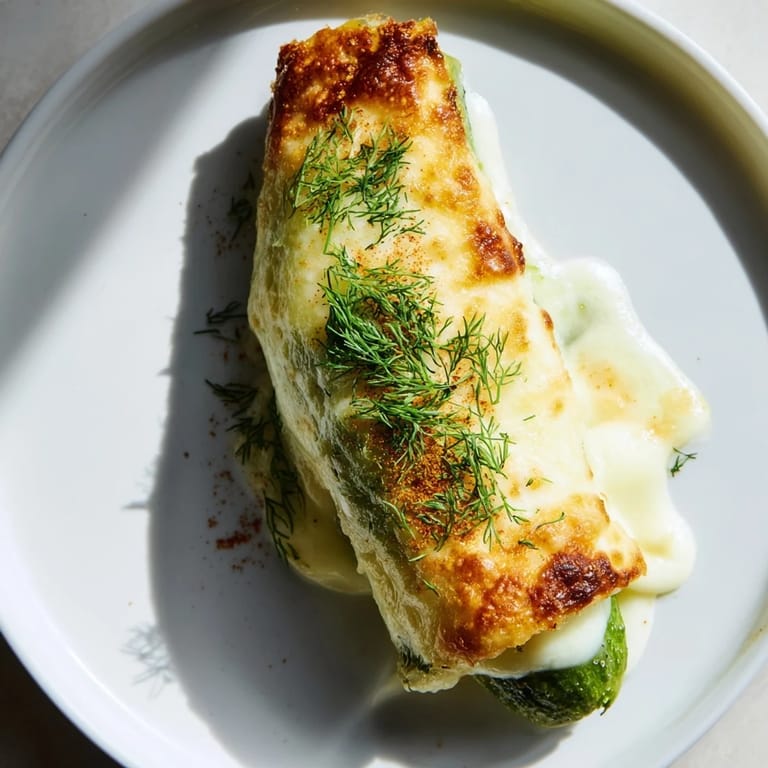
- Place a pickle spear along one edge of the melted cheese and use your spatula to fold and roll the cheese tightly around it, sealing it into a snug cylinder. It should feel almost wrapped, not just loosely bundled.
- Set it aside and repeat:
- Transfer each finished roll to a waiting plate and go again with the next cheese slice and pickle. The rhythm becomes meditative once you get the hang of it.
- Finish strong:
- While the rolls are still warm and a little sticky, sprinkle with dill, garlic powder, or paprika if you're using them. This is when the seasonings stick best.
- Serve immediately:
- Eat them right away while they're still warm and crispy on the outside. They lose their magic as they cool.
 Save
Save The best moment came when my nephew, who barely eats anything I make, grabbed his third one and mumbled between bites that it was actually good. Sometimes the simplest things matter most—not because they're complicated, but because they're exactly what people didn't know they wanted.
Cheese Matters More Than You Think
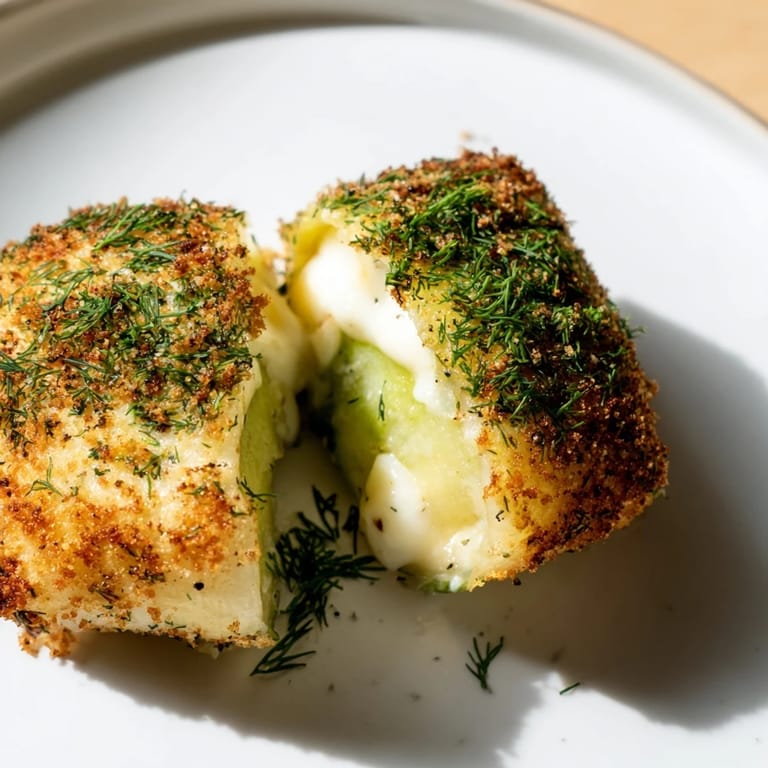
The type of cheese you choose changes everything. Mozzarella is forgiving and melts into those beautiful golden-brown edges, while cheddar brings a sharper flavor and deeper color that makes them feel less delicate and more indulgent. I've experimented with pepper jack when I want heat, smoked gouda when I'm feeling fancy, and even a mix of both when I want maximum flavor. The one rule: avoid pre-shredded cheese because those anti-caking additives keep it from melting smoothly. Freshly sliced is worth the extra step.
Variations That Actually Work
Once you nail the basic version, the door opens to improvisation. I sometimes tuck a thin slice of ham or turkey inside before rolling for something heartier, layer in a tiny pinch of red pepper flakes for heat, or use bread-and-butter pickles if I want something sweeter and less intensely briny. You can even brush the finished rolls with a touch of spicy mustard mixed with mayo for dipping—though honestly, they're perfect on their own. The framework is so simple that variations feel like you're inventing rather than just following along.
The Small Details That Make the Difference
The skillet size matters; too small and you're waiting too long between rolls, too large and the heat spreads thin. I always use medium heat even though I'm tempted to crank it higher because I'm impatient—medium gives the cheese time to melt and crisp without burning. And that moment when the edges turn golden is your signal to move, not your signal to brown them further. The spatula technique takes maybe a roll or two to feel natural, so give yourself grace if the first one isn't perfect.
- Use a nonstick skillet so the cheese slides off cleanly and nothing sticks.
- Have a plate ready before you start so you can move rolls quickly and keep the skillet free for the next batch.
- Serve with something cold like ranch or spicy mustard to cut through the richness.
 Save
Save This recipe is proof that some of the most memorable bites come from the smallest ideas. The joy isn't in complexity—it's in that perfect moment when crispy and tangy meet on your tongue.