 Save
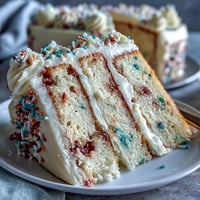
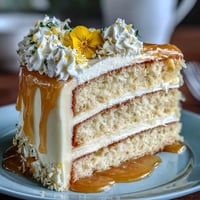
Save My cousin's spring wedding was on a Saturday in April, and I volunteered to bring dessert without fully thinking through what that meant. Standing in my kitchen at midnight the night before, I suddenly decided that a plain cake wouldn't do—it needed to be something as beautiful as the cherry blossoms she'd chosen for her centerpieces. That's when this ombre cake came to life, born partly from inspiration and partly from the gentle panic of wanting to create something truly special. The soft gradients of pink and yellow felt like capturing spring itself in layers.
When I finally placed that cake on the wedding table, my cousin actually gasped—not because I'm particularly skilled, but because there's something about homemade that reads differently than store-bought. People kept asking if I'd ordered it from a specialty bakery, and honestly, that moment of surprise made every mixing bowl and frosting-covered spatula worth it. It wasn't just dessert; it was a tangible piece of love for someone I cared about.
Ingredients
- All-purpose flour (3 cups): The foundation of a tender crumb—make sure it's not packed tightly when measuring, or sift it first if your kitchen tends toward humidity.
- Baking powder (2½ tsp): This is your lift, so don't skip it or substitute with baking soda unless you're adjusting the entire recipe.
- Salt (½ tsp): A small amount enhances sweetness and prevents the cake from tasting flat or one-dimensional.
- Unsalted butter (1 cup for batter, 1½ cups for frosting): Room temperature is non-negotiable—cold butter won't incorporate properly and you'll end up with a dense cake.
- Granulated sugar (2 cups): This sweetens and aerates the batter, so creaming it with butter is essential for the right texture.
- Eggs (4 large, room temperature): Cold eggs will seize the batter; let them sit on the counter for at least 15 minutes before using.
- Pure vanilla extract (1 tbsp plus 2 tsp): Genuine vanilla makes a noticeable difference in the final taste, worth the investment.
- Whole milk (1 cup, room temperature): Alternating with flour creates a smooth, lump-free batter; warm milk emulsifies better with the butter.
- Gel food coloring (pink and yellow): Gel colors are more concentrated than liquid, so you'll achieve pastel shades without adding extra moisture to your batter.
- Powdered sugar (5 cups, sifted): Sifting removes lumps and ensures silky frosting with no grittiness.
- Milk or heavy cream (3–4 tbsp): Adjust amount gradually to reach the perfect frosting consistency—too stiff and it's hard to spread, too soft and it won't hold its shape.
Tired of Takeout? 🥡
Get 10 meals you can make faster than delivery arrives. Seriously.
One email. No spam. Unsubscribe anytime.
Instructions
- Prepare Your Space:
- Preheat your oven to 350°F and grease three 8-inch round pans with a light touch of butter or cooking spray, then line the bottoms with parchment paper. This prevents sticking and makes turning out the cooled cakes so much easier than you'd think.
- Combine Dry Ingredients:
- In a medium bowl, whisk together flour, baking powder, and salt—this aerates the flour and distributes the leavening evenly. Set aside.
- Cream Butter and Sugar:
- Using an electric mixer on medium speed, beat the room-temperature butter and sugar together for about 3 to 4 minutes until the mixture is pale, fluffy, and noticeably lighter in color. This process incorporates tiny air pockets that give the cake its tender crumb.
- Incorporate Eggs:
- Add eggs one at a time, beating well after each addition to ensure they're fully incorporated before you add the next. This might take a few minutes, but it prevents the batter from looking curdled or separated.
- Add Vanilla:
- Mix in the vanilla extract until you smell that warm, comforting aroma throughout the batter.
- Alternate Dry and Wet:
- Starting with the dry ingredients, alternate adding the flour mixture and milk to the butter mixture, beginning and ending with flour. Mix just until combined—overmixing develops gluten and makes the cake tough, so stop as soon as you don't see streaks of flour.
- Divide and Color:
- Divide the batter evenly into three separate bowls. Add a small amount of pink gel coloring to one for pale pink, yellow gel to the second for pale yellow, and leave the third plain or add equal drops of both for a subtle peach tone.
- Stir gently until the color is even throughout each bowl—the pastel shades should feel delicate, not bold.
- Bake:
- Pour each colored batter into a prepared pan and smooth the tops gently with a spatula. Bake for 22 to 26 minutes, testing with a toothpick inserted into the center—it should come out clean or with just a few moist crumbs, never wet.
- Cool:
- Let the cakes rest in their pans for 10 minutes, then turn them out onto wire racks to cool completely. Trying to frost a warm cake is a recipe for melted frosting sliding everywhere.
- Make Buttercream:
- Beat room-temperature butter on medium-high speed until it's creamy and pale, then gradually add sifted powdered sugar, vanilla, salt, and 3 tablespoons of milk or cream. Beat until fluffy and spreadable, adding more milk if it's too thick or looks grainy.
- Tint Frosting:
- Divide the buttercream into three bowls and tint one pastel pink, one pastel yellow, and leave one plain. The same soft color approach as the cake layers creates visual harmony.
- Level and Assemble:
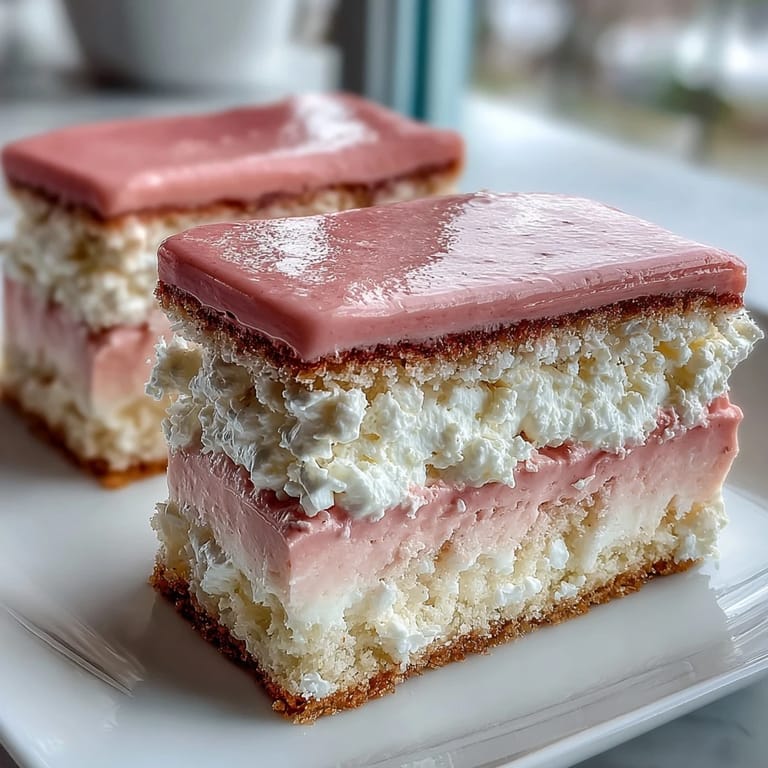
- If the cooled cakes have domed tops, level them with a serrated knife for even stacking. Place the yellow layer on your serving plate, spread with yellow buttercream, top with the plain or peach layer and frost with plain buttercream, then crown it with the pink layer and frost with pink buttercream.
- Create the Ombre Effect:
- Using an offset spatula, frost the sides by blending the frostings together—start with yellow at the base, transition through the middle, and finish with pink at the top. Work in small sections, using a cake scraper or offset spatula to smooth and blend as you go around the cake.
- Decorate and Chill:
- Add pastel sprinkles, edible flowers, or other decorations of your choice, then refrigerate for at least 30 minutes before slicing. This sets the frosting and makes cutting much cleaner.
 Save
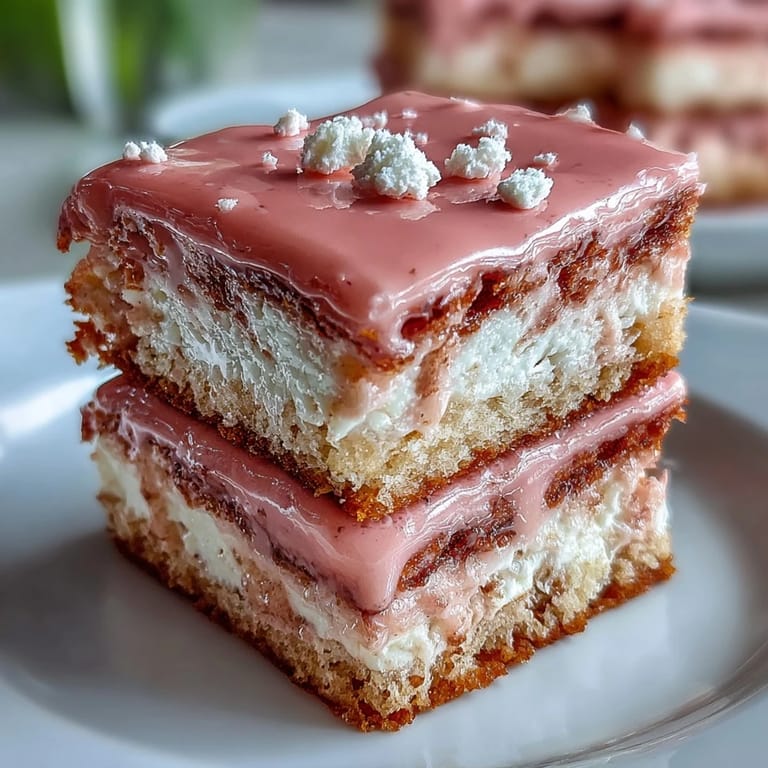
Save There's a quiet magic in watching someone's face light up when they realize the cake they're holding is homemade, and that the beauty is paired with actual flavor. This cake reminds me that the effort matters, not because anyone's keeping score, but because it shows up in every bite and every glance.
Why Pastel Colors Work Better Than Bold Ones
I learned this the hard way after my first attempt with vibrant food coloring left the cake looking garish under regular kitchen lighting. Pastels have a softness that translates beautifully to photographs, events, and everyday desserts—they feel sophisticated rather than childish, and they photograph like a dream in natural light. The pale pink and yellow I use here are forgiving; if you add too much coloring, you can always add more plain batter to dilute it.
The Ombre Blending Technique That Actually Works
Most people expect the ombre to be intimidating, but it's really just about working in small sections and overlapping your frosting colors. I use three frosting colors and work my way up the sides, allowing each color to blend slightly into the next where they meet. The key is not overthinking it—small imperfections actually add to the handmade charm, and no one's examining it under a microscope.
Storage, Serving, and Celebration Timing
This cake actually improves after a day in the refrigerator, as the flavors meld and the texture becomes more tender. It stores beautifully covered at room temperature for one day, or refrigerated for up to four days, which means you can bake it days ahead and assemble it the morning of an event. The flexibility is what makes this perfect for celebrations—you're not rushing at the last minute.
- Slice with a long, sharp knife dipped in hot water and wiped clean between each cut for pristine, clean edges.
- Serve at room temperature or slightly chilled, depending on whether you want the frosting soft or firmer.
- Pair with sparkling lemonade, Moscato, or even a light champagne for the full spring celebration experience.
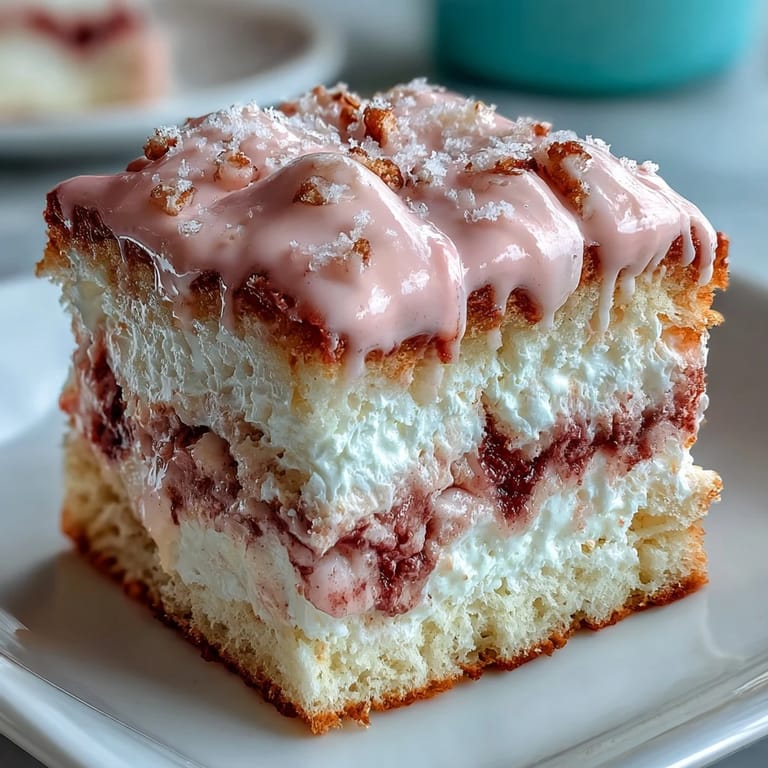 Save
Save This cake has become my go-to for anyone celebrating something, because it somehow says both 'I put care into this' and 'I made this with joy.' Every time I make it, I think of that wedding and the pure happiness on my cousin's face.
Recipe FAQs
- → How do I achieve the pastel ombre effect?
Divide the batter into three portions, tinting each with varying amounts of pink and yellow gel food coloring. Layer the tinted batters to create a gradual ombre gradient.
- → What is the best way to assemble the layers evenly?
Level each cooled cake layer with a serrated knife if needed. Spread evenly tinted buttercream between layers for a smooth transition and consistent thickness.
- → Can I substitute any ingredients for dietary preferences?
Buttermilk may be used instead of whole milk for a tangier texture. Ensure substitutes maintain moisture and structure for best results.
- → How is the buttercream tinted without affecting flavor?
Use gel food coloring sparingly to maintain the creamy vanilla flavor while achieving soft pastel shades in the frosting.
- → What tools help achieve a smooth ombre finish?
An offset spatula and a cake scraper are ideal for blending the colored buttercream gradients on the sides to create the ombre effect.