 Save
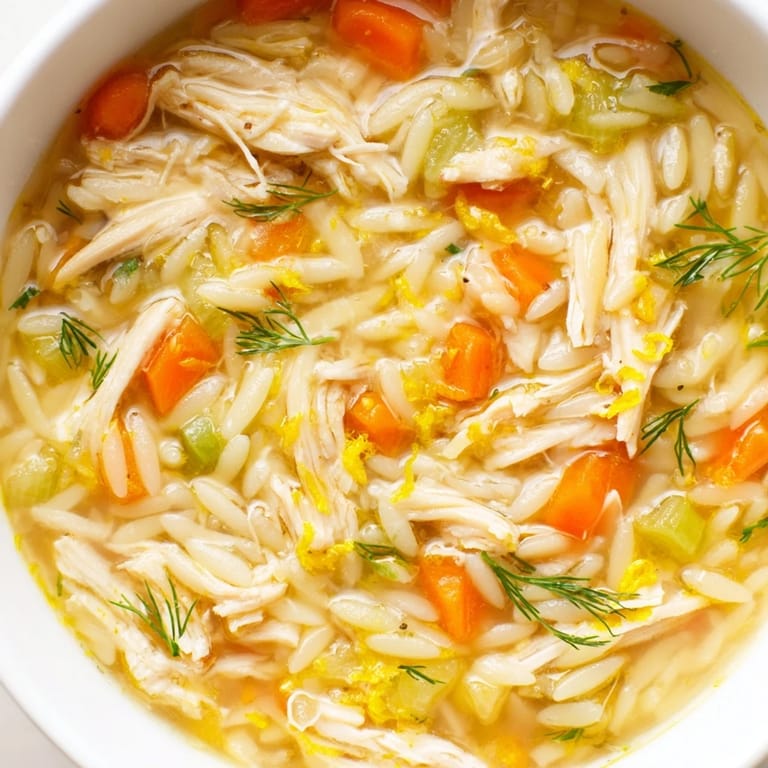
Save The kitchen window was fogged up from the steam, and I could barely see the snow piling up outside. I had a leftover rotisserie chicken sitting in the fridge and a lemon that was about to turn, so I started chopping vegetables without much of a plan. What came together was this soup: bright, warm, and exactly what I needed on a day when everything felt gray. It's become my go-to whenever I want something that feels like a hug but tastes like sunshine.
I made this for my neighbor after she had surgery, and she called me the next day asking for the recipe. She said it was the first thing that actually tasted good to her in weeks. That's when I realized this soup has a quiet kind of magic: it's nourishing without being heavy, flavorful without being loud. It's the kind of thing you want when you're tired, cold, or just need something gentle.
Ingredients
- Cooked chicken breast: Rotisserie chicken is your best friend here because it's already seasoned and saves you time, but any cooked chicken works beautifully.
- Yellow onion: The base of the flavor, and finely chopping it means it melts into the broth and sweetens as it cooks.
- Carrots: They add a subtle sweetness and a pop of color, and dicing them small helps them cook evenly with the celery.
- Celery: It brings a slight bitterness that balances the lemon and adds that classic soup backbone.
- Garlic: Three cloves might seem like a lot, but they mellow out in the broth and add warmth without overpowering the lemon.
- Lemon: Both the zest and juice are essential because the zest gives you floral notes while the juice adds the tangy punch at the end.
- Fresh dill: This is what makes the soup taste bright and herbal, and it's worth seeking out fresh if you can.
- Orzo pasta: These tiny rice-shaped noodles soak up the broth and make the soup hearty without feeling too heavy.
- Chicken broth: Low-sodium is key so you can control the salt level, especially if you're using store-bought rotisserie chicken.
- Olive oil: It's the starting point for sautéing your vegetables and building layers of flavor from the bottom up.
- Bay leaf: It adds a subtle earthiness that you won't notice until it's missing.
- Dried thyme: A little goes a long way, and it ties all the Mediterranean flavors together.
- Salt and black pepper: Taste as you go because every broth and chicken is different.
Tired of Takeout? 🥡
Get 10 meals you can make faster than delivery arrives. Seriously.
One email. No spam. Unsubscribe anytime.
Instructions
- Sauté the vegetables:
- Heat the olive oil in a large pot over medium heat and add the onion, carrot, and celery. Let them soften for about 5 minutes, stirring occasionally, until the onion turns translucent and the kitchen starts to smell sweet and savory.
- Bloom the aromatics:
- Stir in the garlic, thyme, and bay leaf, cooking for just a minute until the garlic is fragrant. This step wakes up the spices and makes sure they don't taste raw.
- Add the broth:
- Pour in the chicken broth and bring everything to a rolling boil. The bubbling broth will help the orzo cook evenly.
- Simmer the orzo:
- Add the orzo and let it simmer for 8 to 10 minutes, stirring now and then so it doesn't stick to the bottom. The pasta should be just tender, not mushy.
- Stir in the chicken and lemon:
- Add the cooked chicken, lemon zest, and lemon juice, then simmer for another 3 to 4 minutes. This heats the chicken through and infuses the broth with that bright citrus note.
- Season and finish:
- Remove the bay leaf, then stir in the dill, salt, and pepper. Taste and adjust the lemon juice or seasoning until it feels balanced and lively.
- Serve:
- Ladle the soup into bowls and garnish with fresh parsley and a sprinkle of Parmesan if you like. Serve it hot while the steam is still rising.
 Save
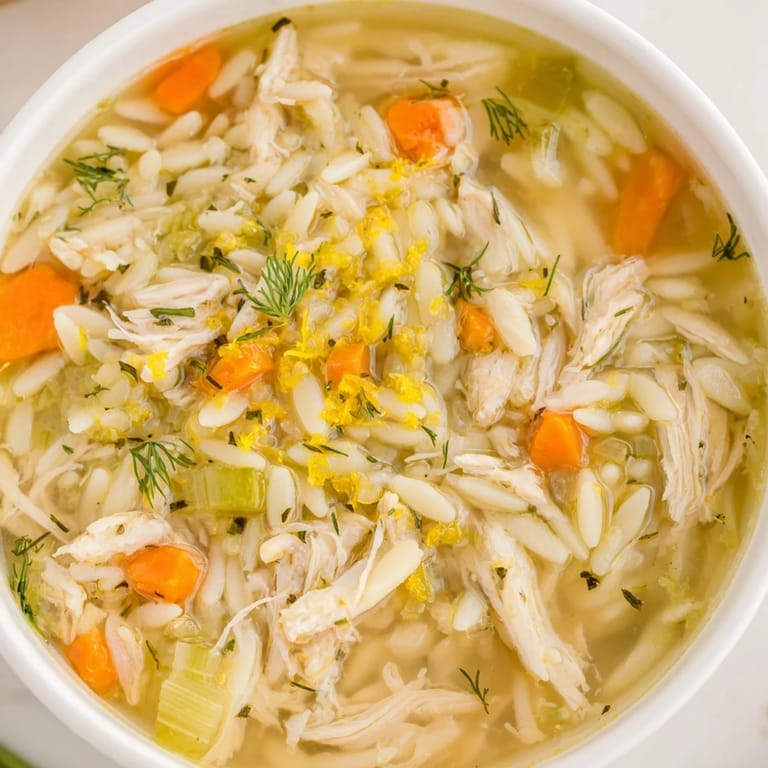
Save One night, my son came home from college for the weekend and asked if I could make that lemon soup. I hadn't made it in months, but the fact that he remembered it made my heart swell. We sat at the kitchen table with steaming bowls, and he told me about his classes and his friends, and I realized this soup had become part of our language. It's more than a recipe now, it's a ritual.
Making It Your Own
This soup is incredibly flexible, and I've added all sorts of things depending on what's in the fridge. A handful of spinach or frozen peas stirred in at the end adds color and nutrients without changing the flavor. If you want to make it gluten-free, swap the orzo for white rice and adjust the cooking time. For a richer, creamier version, try the avgolemono twist: whisk two egg yolks with a ladle of hot broth, then stir it back into the pot off the heat for a silky, velvety finish.
Storage and Reheating
This soup keeps well in the fridge for up to four days, but the orzo will continue to absorb liquid as it sits. When you reheat it, add a cup or so of extra broth or water to bring it back to life. I like to squeeze in a little more lemon juice and a pinch of fresh dill right before serving to brighten it up again. It doesn't freeze quite as well because the orzo can get mushy, but if you're planning to freeze it, cook the orzo separately and add it fresh when you reheat.
Serving Suggestions
I usually serve this with crusty bread for dipping, and sometimes I'll toast the bread with a little olive oil and garlic if I'm feeling fancy. A simple green salad with lemon vinaigrette on the side keeps the meal light and fresh. If you're serving it to guests, set out a small bowl of grated Parmesan, extra lemon wedges, and chopped parsley so everyone can customize their bowl.
- Pair it with warm pita or a baguette for soaking up every last drop of broth.
- A crisp white wine like Sauvignon Blanc complements the lemon beautifully.
- Leftovers make a perfect lunch the next day, just add a splash of broth to loosen it up.
 Save
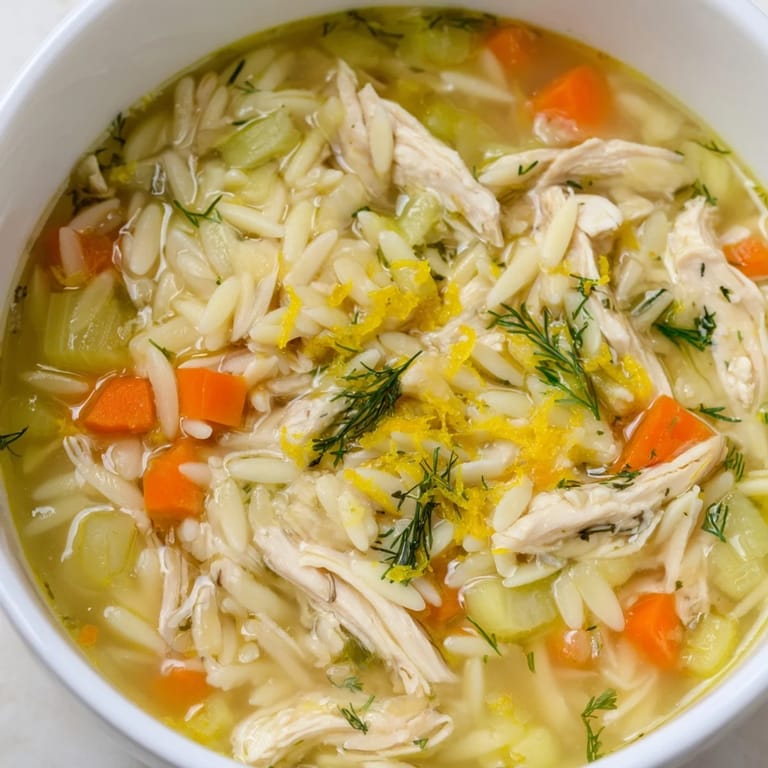
Save This soup has saved more of my weeknights than I can count, and it never gets old. I hope it becomes one of those recipes you turn to when you need something simple, nourishing, and just plain good.
Recipe FAQs
- → Can I use frozen chicken for this soup?
Yes, you can use frozen chicken. Thaw it completely before cooking, or add extra time if cooking from frozen. Pre-cooked rotisserie chicken or leftover roast chicken work wonderfully and save preparation time.
- → How can I make this soup gluten-free?
Simply substitute the orzo pasta with an equal amount of white or brown rice. Cook the rice for the same duration as the orzo, or follow package directions. This swap maintains the soup's comforting texture while accommodating gluten-free diets.
- → What's the avgolemono variation mentioned in the notes?
Avgolemono is a classic Greek technique using egg yolks and lemon juice to create a creamy, tangy broth. Beat 2 egg yolks, then slowly whisk in a ladle of hot broth to temper them. Stir this mixture back into the soup off the heat to prevent curdling. It adds richness and deeper flavor.
- → Can I add vegetables to customize this soup?
Absolutely. Spinach, peas, zucchini, or mushrooms are excellent additions. Add hardy vegetables like spinach in the final minutes so they retain their texture and nutritional value. This flexibility lets you adapt the soup to seasonal ingredients or preferences.
- → How should I store and reheat leftovers?
Store cooled soup in an airtight container in the refrigerator for up to 4 days. Reheat gently on the stovetop over medium heat, adding a splash of broth if needed to reach desired consistency. The flavors actually deepen slightly as leftovers sit.
- → Is this soup suitable for meal prep?
Yes, it freezes well for up to 3 months. Cool completely before freezing in portion-sized containers. Thaw overnight in the refrigerator and reheat gently. Fresh dill and lemon juice are best added after reheating for maximum brightness.