 Save
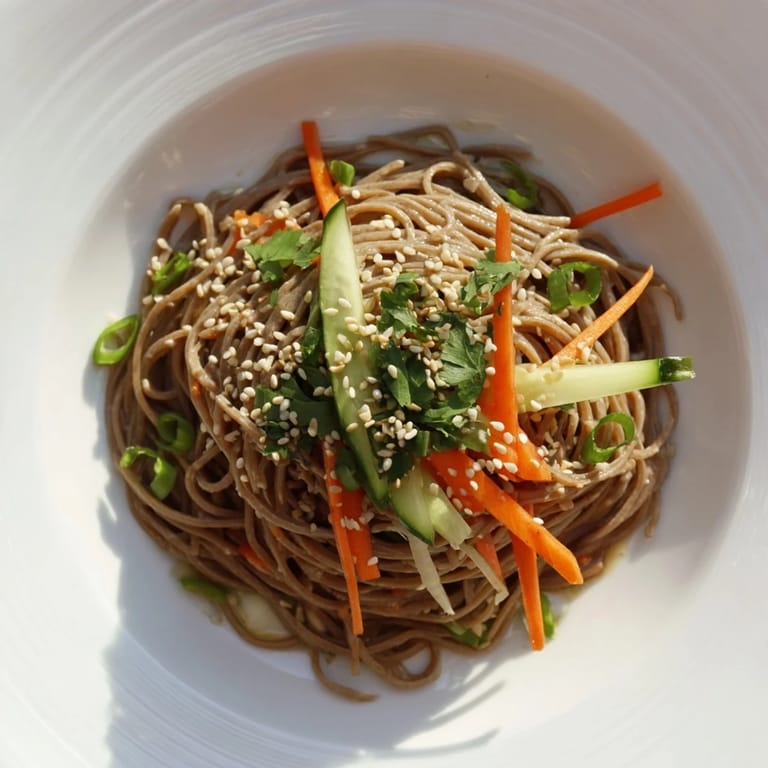
Save There's something wonderfully practical about a lunch that practically builds itself the night before. I discovered these chilled noodle cups on a sweltering afternoon when my kitchen felt too hot to cook anything real, so I boiled water for noodles and started throwing together whatever crisp vegetables were hiding in my crisper drawer. The magic happened when I whisked together that amber-colored sauce—sesame oil, soy, a whisper of heat—and suddenly I had something that tasted intentional, cared for, like I'd planned it all along.
I made these for a friend who mentioned dreading her week of packed lunches, and watching her face light up when she opened the container three days later—still perfectly fresh, still tasting like it mattered—reminded me that meal prep doesn't have to feel like a chore when there's sesame oil involved.
Ingredients
- Dried soba or rice noodles (200g): Soba has an earthy snap that holds up beautifully cold, but rice noodles work if you prefer something gentler.
- Soy sauce (3 tbsp): Low-sodium keeps you in control of the salt balance, and honestly, it lets the other flavors breathe a bit more.
- Toasted sesame oil (2 tbsp): The kind that smells like it walked through a forest of toasted seeds—use the real stuff here, it's the entire personality of the dish.
- Rice vinegar (1 tbsp): This brightens everything without being aggressive about it.
- Honey or maple syrup (1 tsp): Just enough sweetness to round out the sharp edges.
- Chili garlic sauce (1–2 tsp): Start with less, taste, adjust—the heat builds as it sits overnight.
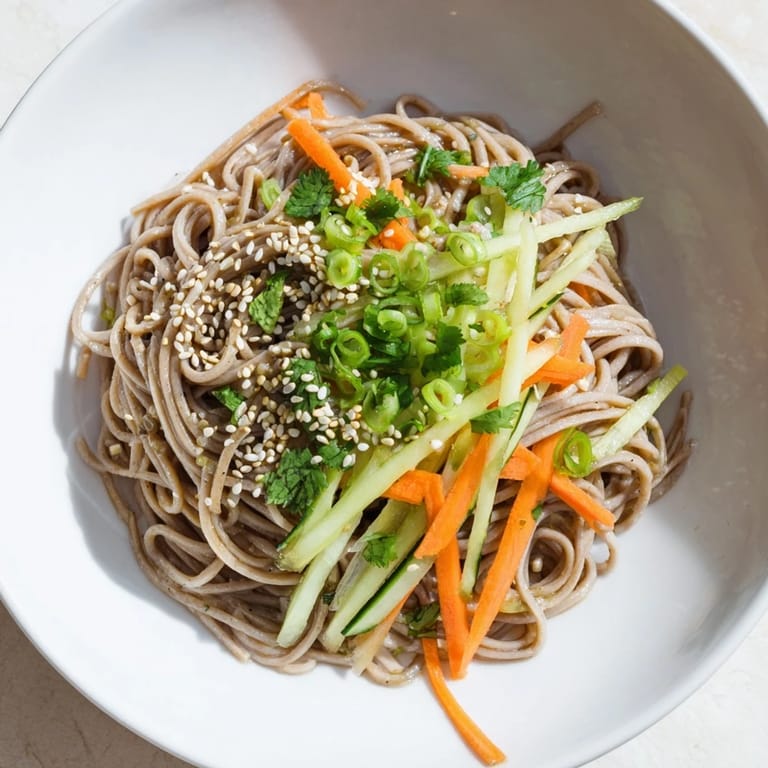
- Cucumber (1 cup, julienned): The crunch factor that keeps these from feeling heavy; peel it or leave the skin on, both are beautiful.
- Carrots (2 medium, julienned): They're both sweet and sturdy, refusing to wilt no matter how patient the fridge gets.
- Green onions (2, thinly sliced): Add these just before eating if you want them sharp and bright, or mix them in the night before if you like them to mellow out.
- Toasted sesame seeds (2 tbsp): A final flourish that catches the light and adds that last whisper of nuttiness.
- Fresh cilantro (1 tbsp, optional): For when you want the dish to feel a little more alive and grassy.
Tired of Takeout? 🥡
Get 10 meals you can make faster than delivery arrives. Seriously.
One email. No spam. Unsubscribe anytime.
Instructions
- Bring the water to a boil and cook the noodles:
- Follow the package timing, then immediately drain and rinse under cold running water, moving them gently with your fingers until they're completely cool and no longer steaming. The cold water stops the cooking dead and prevents them from clumping.
- Build your sauce in a small bowl:
- Whisk soy sauce, sesame oil, rice vinegar, honey, and chili garlic sauce together until the honey dissolves and everything looks like it's on speaking terms. Taste it—this is your moment to dial the heat up or down before it touches the noodles.
- Layer noodles into your containers:
- Divide the cold noodles evenly among four containers, creating a gentle nest for everything else that's about to arrive.
- Add the vegetables in organized chaos:
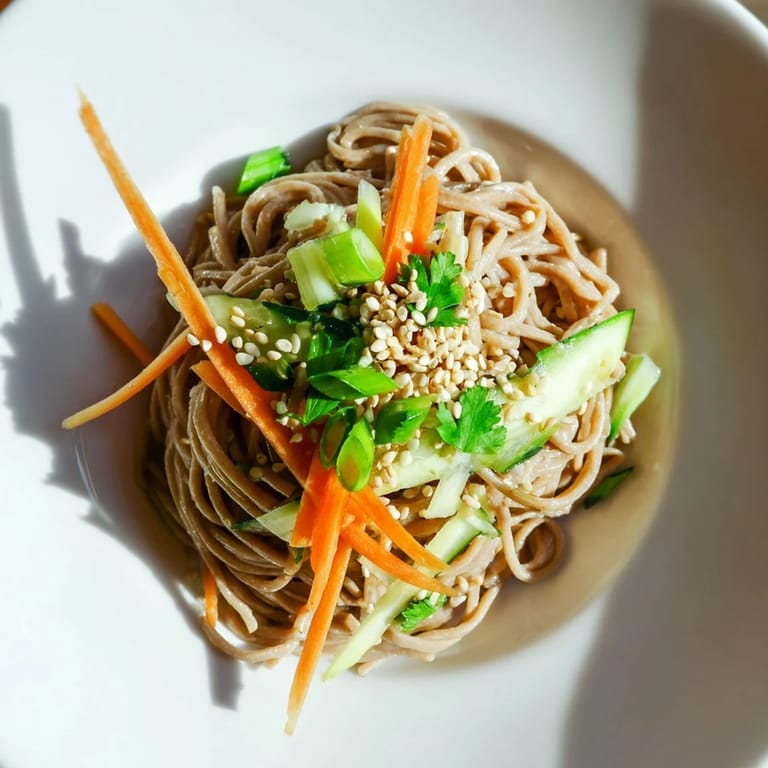
- Top each portion with cucumber, carrot, and green onion, arranging them however feels right—there's no wrong way to do this part, just place them where you'll enjoy finding them.
- Pour the sauce over everything:
- Drizzle evenly, then toss gently to coat every strand and ribbon. If you're eating right away, toss more vigorously; if you're storing it, a gentle combine means the texture stays distinct until you're ready.
- Finish and store:
- Sprinkle sesame seeds and cilantro on top, seal the containers, and refrigerate until hunger strikes or the work day demands sustenance.
 Save
Save My colleague brought one of these to a lunch meeting and halfway through eating, someone asked if it was from a restaurant—not because the dish is fancy, but because it felt thoughtfully put together, like someone had actually considered her afternoon. That's what good meal prep is really about.
Make-Ahead Magic
These cups actually improve slightly overnight as the sauce gently seasons the noodles and the vegetables release their subtle juices into the mix. Pack them in the morning or prep them the night before—they hold steady for up to three days, which means you can make four servings on a calm Sunday and forget about lunch until Thursday afternoon.
Customizing Your Cup
This base is endlessly flexible if you want to add texture or protein. I've stirred in roasted tofu cubes, scattered shredded rotisserie chicken across the top, or tossed in a handful of edamame for bulk. A few sheet pan vegetables—roasted mushrooms, charred bell peppers, tender broccoli—all feel at home here without disrupting the essential character of the dish.
Flavor Notes and Variations
The beauty of this combination is how the flavors balance: the sauce is salty-sweet-hot-rich, the noodles provide grounding earthiness, and the vegetables bring cooling contrast and snap. If you love a stronger chili presence, increase the sauce; if sesame oil feels too assertive, back it down slightly—this isn't a dish that punishes improvisation, it rewards it.
- Swap soy sauce for tamari if gluten is a concern, and use rice noodles instead of soba for a naturally gluten-free version.
- A splash of lime juice stirred into the sauce adds a tropical brightness that catches some people completely off guard in the best way.
- If cilantro isn't your friend, swap it for mint, basil, or simply leave it off—the dish stands perfectly well without it.
 Save
Save These cups exist in that perfect space where eating well stops feeling like deprivation and starts feeling like taking care of yourself, one delicious, thoughtful lunch at a time.
Recipe FAQs
- → What type of noodles work best?
Soba or rice noodles both complement the flavors well, with soba offering a nuttier texture and rice noodles a lighter bite.
- → Can I prepare this dish in advance?
Yes, it stores well chilled for up to three days, making it ideal for meal prep or packed lunches.
- → How can I adjust the spice level?
Modify the amount of chili garlic sauce added to suit your heat preference, from mild to zesty.
- → Are there protein additions?
Consider adding cubed tofu, shredded chicken, or edamame for a protein boost that pairs nicely with the noodles.
- → Is it suitable for gluten-free diets?
Yes, use gluten-free tamari sauce and gluten-free noodles to accommodate gluten sensitivities.