 Save
Save Summer heat hit different that year, and my usual iced coffee routine felt exhausted. A friend brought over a thermos of chai concentrate she'd been perfecting, and I watched her whip cream into clouds while ice clinked in glasses—that was the moment I realized café-style drinks didn't need to stay at the café. Now, whenever I need that spiced comfort in a cold glass, I make this at home, and it tastes like someone who knows me decided to cool down my kitchen.
I made this for my parents on a Sunday afternoon when the air conditioning had finally given up, and my mom actually paused mid-sip and asked if we were getting takeout. That pause meant everything—it meant the spices had settled just right, the foam hadn't collapsed, and I'd managed to recreate something that felt like a small luxury without stress.
Ingredients
- Water: Two cups becomes the foundation where all the spice flavor actually lives—don't rush it or you'll end up with spicy-colored water instead of spicy-flavored tea.
- Black tea bags: Two of them add tannins that ground the sweet spices and give the drink its backbone; skip this and the whole thing tastes like you just boiled candy.
- Cinnamon stick: Fresh and whole, never pre-ground, because ground cinnamon gets bitter the second it touches heat and stays that way.
- Cloves: Four whole pods, and honestly, resist the urge to add more—they're assertive enough to hijack the whole drink if you're not careful.
- Green cardamom pods: Crush them just enough to crack the shell open so the seeds can release their floral warmth into the water.
- Black peppercorns: Four of them add a subtle sharpness that keeps the sweetness from turning cloying; they're the detail nobody mentions but everyone tastes.
- Fresh ginger: One inch, sliced thin so it releases its bite quickly; pre-peeled and jarred ginger will make this taste like you're punishing yourself.
- Honey or maple syrup: Two tablespoons stirred in while the chai is still warm means the sweetness actually dissolves instead of settling at the bottom like regret.
- Heavy cream: Half a cup of the coldest cream you can find, because temperature matters more here than technique.
- Sugar or honey for foam: One tablespoon—the sugar helps the cream hold structure, while honey adds richness but needs a lighter touch.
- Vanilla extract: Half a teaspoon rounds out the cream's dairy sharpness and makes the whole thing feel intentional.
- Ice cubes: Fill the glass generously; they're not just cooling agents, they're part of the texture story.
- Ground cinnamon for dusting: Optional but worth it—that final sprinkle signals you made something, not just poured something.
Tired of Takeout? 🥡
Get 10 meals you can make faster than delivery arrives. Seriously.
One email. No spam. Unsubscribe anytime.
Instructions
- Bring water to a rolling boil and add your spices:
- Watch the steam lift off the surface before you add the tea bags and whole spices—if you rush this and add everything at once, the tea will steep in cooler water and taste weak. Let the cinnamon, cloves, cardamom, peppercorns, ginger, and tea bags all simmer together for five minutes until your kitchen smells like someone's grandmother is visiting.
- Steep out the color and flavor:
- Pull it off heat, discard the tea bags, and let it sit for another five minutes while the spices surrender their last secrets. The second steeping is where the real depth happens—the liquid will deepen to amber-brown and the spice notes will smooth from sharp to rounded.
- Strain and sweeten while warm:
- Push everything through a fine mesh strainer so you capture every bit of spiced liquid and leave behind the solids that would otherwise float around in your glass. Stir in your honey or maple syrup while the concentrate is still warm enough to actually dissolve it, then let the whole pitcher cool to room temperature before chilling—rushing this into the fridge means the spices seize up and go bitter.
- Whip the cream into cold foam:
- Use a whisk or milk frother to turn cold heavy cream, sugar, and vanilla into thick, billowing clouds that hold their shape. The cream should double in volume and turn pale, but stop before it starts looking grainy—that's the split-second before it becomes butter, and nobody wants chai with accidentally-churned cream.
- Build your glass and serve immediately:
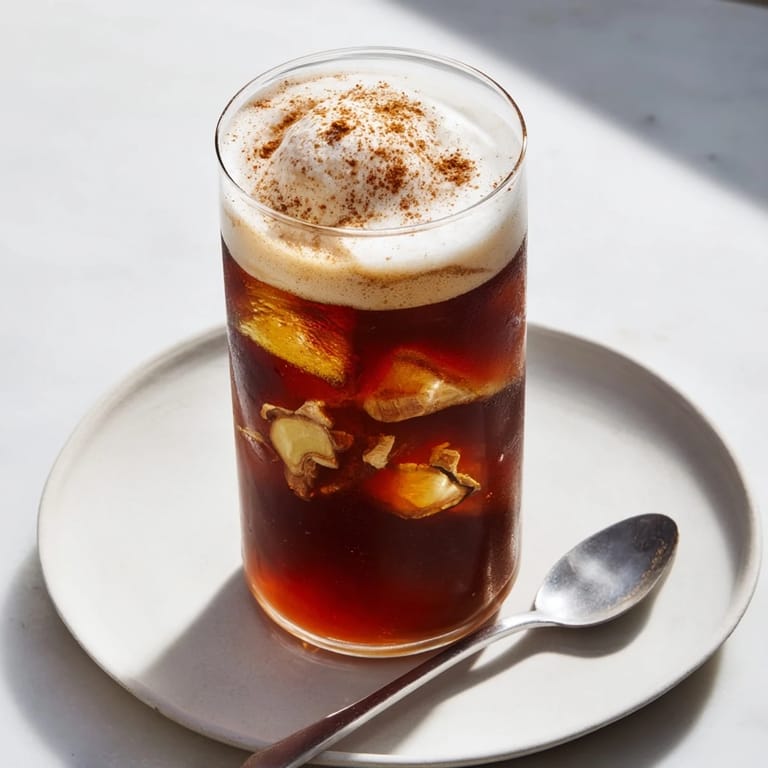
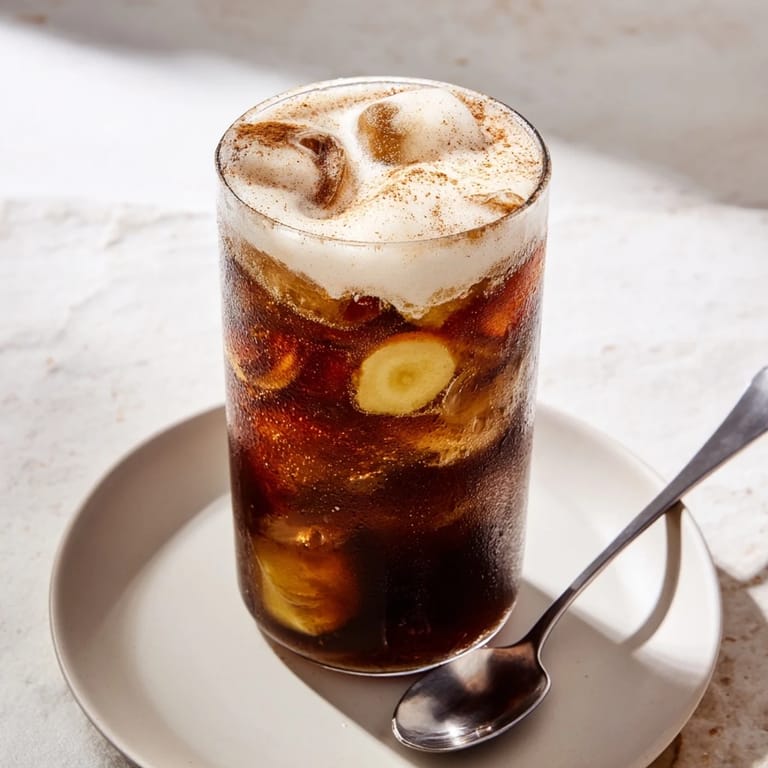
- Fill tall glasses with ice, pour the chilled chai concentrate until the glass is about two-thirds full, then crown it with a generous spoonful of that cold foam you just created. A light dust of ground cinnamon on top is the detail that makes someone ask for the recipe instead of just asking for another sip.
 Save
Save The real turning point came the day my sister's friend visited and tried this without knowing I'd made it, then got angry at me for not telling her I could do this. That anger was actually compliment-adjacent—it meant the drink had crossed from homemade territory into something that belonged in the café conversation, and that felt like proof that patience and whole spices matter.
The Chai Concentrate Philosophy
Making chai concentrate instead of just brewing everything together means you've built something you can actually use later—it lives in your fridge for days, ready to become iced chai on a hot afternoon or hot chai on a cold morning. This flexibility is worth the extra five minutes of simmering, because it transforms the recipe from a single-use drink into a technique. When you taste the difference between concentrate made with whole spices and anything else, you understand why chai culture exists—some drinks are worth planning for.
The Cold Foam Moment
Cold foam separates this drink from the usual iced tea because it adds texture and visual drama—it's the element that makes people sit up and pay attention. The physics is simple: cold cream whips because the temperature keeps the fat stable enough to trap air, creating that cloud effect. But the real trick is understanding that the foam isn't decoration, it's part of the drinking experience—when you sip through it into the spiced chai below, the cream mellows the intensity of the spices and adds a subtle sweetness that balanced everything. That moment of texture contrast is what keeps people coming back for seconds.
Variations and Variations on Variations
Once you've made this once, you'll start improvising—maybe you'll add a splash of milk to the chai before the foam, creating a creamier base layer, or you'll experiment with the spice ratios, discovering that you prefer more ginger or less clove. Some people swear by coconut cream instead of dairy cream, and honestly, the foam texture holds just as well and tastes incredible. The beauty of this recipe is that it's a template, not a law—every chai maker eventually finds their personal ratio of spice heat, sweetness, and creaminess.
- Dairy-free foam made with oat or coconut cream froths beautifully and adds its own subtle sweetness.
- A splash of milk poured into the chai before topping with foam creates a creamier drink if you prefer it less icy.
- Adjust the honey and spice levels to match your own preference—some days you want the heat to dominate, other days you want sweetness to win.
 Save
Save This drink exists in the space between homemade and café culture, and that's exactly where the best recipes live. Once you've made it once, you'll understand why chai concentrate has been worth simmering for generations.
Recipe FAQs
- → What spices are used in the iced chai?
It features cinnamon sticks, whole cloves, green cardamom pods, black peppercorns, and fresh ginger for a warm, balanced spice profile.
- → How is the cold foam prepared?
Cold heavy cream is whipped with sugar or honey and vanilla extract until foamy but not stiff, creating a creamy topping.
- → Can I make this beverage dairy-free?
Yes, substituting the heavy cream in the foam with coconut or oat cream provides a dairy-free alternative.
- → How long does it take to prepare the spiced chai concentrate?
The chai concentrate simmers and steeps for about 10 minutes total, then cools before serving.
- → What is the best serving suggestion?
Pour chai concentrate over ice, add the cold foam on top, and optionally dust with ground cinnamon for extra aroma and presentation.
- → Can I adjust the sweetness level?
Absolutely, the honey or maple syrup amount can be modified to suit personal taste preferences.