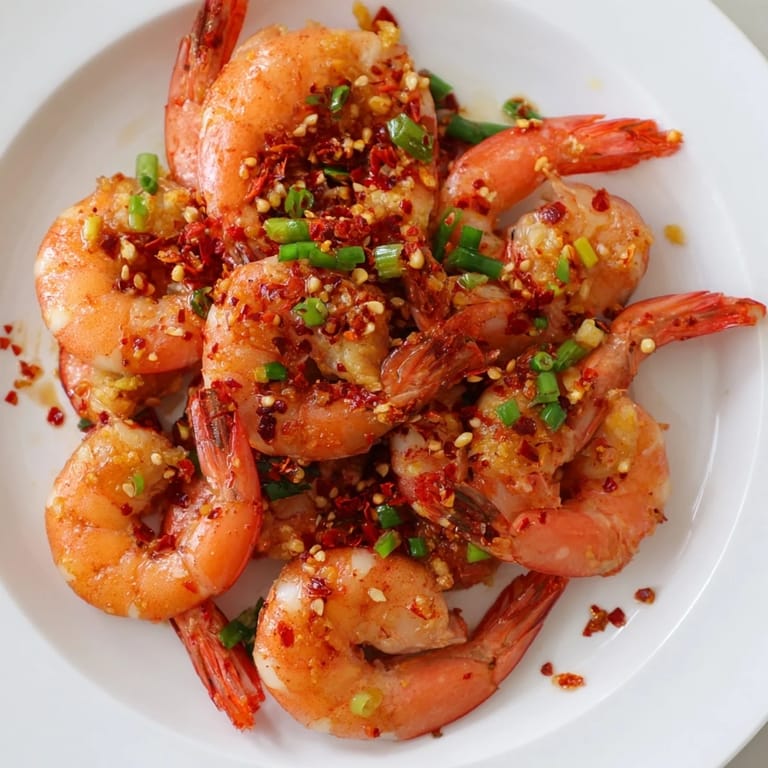
 Save
Save I discovered this dish completely by accident on a weeknight when I had barely anything in my fridge except butter, shrimp, and some gochugaru I'd bought on impulse at a Korean market. The way those red flakes bloomed in the melted butter and perfumed the entire kitchen in seconds—that was the moment I realized I'd stumbled onto something special. My partner walked in asking what smelled so incredible, and by the time I plated it fifteen minutes later, we were both hooked.
The first time I made this for friends, I was nervous about the spice level since one of them avoids heat. I made a smaller batch with less gochugaru on the side of the pan, and that small adjustment meant everyone could enjoy it their own way. Watching them dip lemon wedges into that glossy sauce and ask for the recipe felt like winning at dinner.
Ingredients
- Shrimp: Defrost them properly if frozen—I learned the hard way that rushing this step means rubbery results instead of that perfect tender bite.
- Unsalted butter: This is where your flavor starts, so use something you'd actually eat on toast.
- Garlic: Fresh and minced fine enough that it cooks evenly without burning into bitter flecks.
- Gochugaru: The soul of the dish—that deep, fruity heat that sets this apart from ordinary garlic shrimp.
- Soy sauce: A touch of umami that rounds out the richness without making it salty.
- Honey: Just enough to balance the spice and add a subtle gloss.
- Sesame oil: A small amount brings authentic Korean flavor and an aroma that's unmistakably delicious.
- Scallions and sesame seeds: These finish the dish with color, crunch, and that final layer of flavor.
Tired of Takeout? 🥡
Get 10 meals you can make faster than delivery arrives. Seriously.
One email. No spam. Unsubscribe anytime.
Instructions
- Prep and dry your shrimp:
- Pat them completely dry with paper towels—this is what lets them develop a light caramelization instead of steaming in their own moisture. Set them aside and take a breath; you're about to move quickly.
- Melt the butter gently:
- Watch it foam and smell the toasty notes emerge as it reaches medium heat. Add your minced garlic right in and listen for that delicate sizzle.
- Build the sauce:
- Stir the gochugaru into the warm butter and watch it deepen to a rich red. The aroma that rises up is your signal to add the soy, honey, and sesame oil—thirty seconds total, just enough for everything to marry without the garlic browning.
- Cook the shrimp:
- Lay each one flat in the skillet in a single layer so it makes contact with the heat. Two to three minutes per side, and you'll see the color shift from gray to pink—that's your cue they're done.
- Finish with butter and sauce:
- Toss everything together off the heat so the shrimp absorbs all that liquid gold. The residual warmth keeps everything silky without overcooking.
- Plate and garnish:
- Scatter scallions and sesame seeds over the top while the sauce is still glistening, and serve immediately with lemon wedges so people can brighten it however they like.
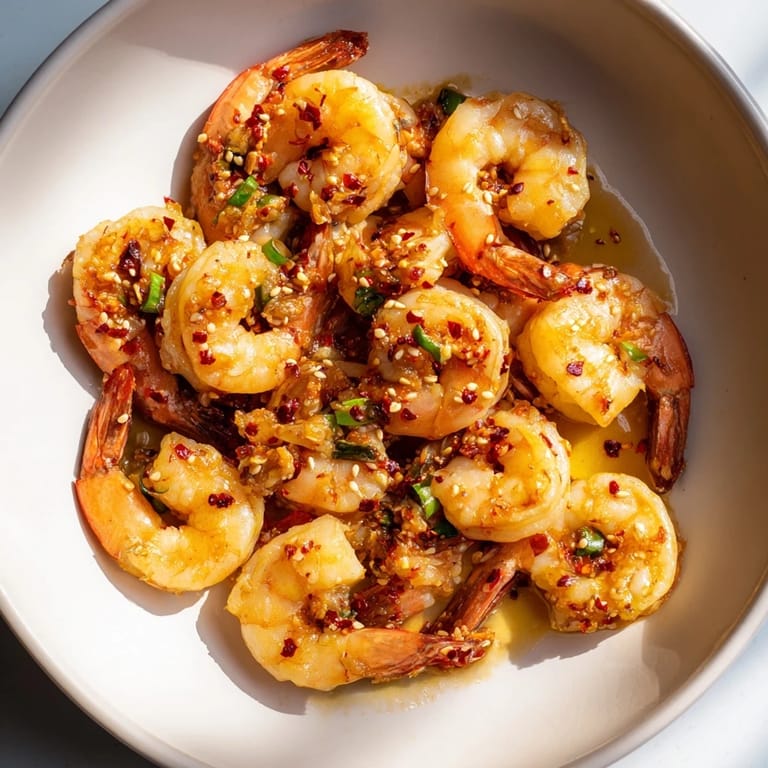 Save
Save There's a moment right before serving when I always taste a tiny piece of shrimp and sauce together, and every single time I'm struck by how something this good came together in such little time. It's the kind of dish that makes you feel like you actually know what you're doing in the kitchen.
Timing and Prep Strategy
Get your shrimp peeled and deveined before you start—that's genuinely the most time-consuming part. Mince your garlic, measure out your sauce ingredients, and have everything within arm's reach of the stove. Once you start cooking, you're moving fast and won't have time to hunt for the sesame seeds. I learned this lesson when I was halfway through cooking for guests.
Flavor Variations and Adjustments
This dish is forgiving in the best way possible. Some nights I add a squeeze of fresh lime juice right at the end for brightness, other times I stir in a teaspoon of sriracha if I'm feeling extra heat. You could swap the honey for brown sugar or even a touch of fish sauce if you want deeper umami. The foundation is so solid that playing around never feels risky.
Serving and Pairing Ideas
Spoon this over steamed white rice and watch people forget they're eating dinner—they're just chasing that sauce. Serve it as a first course on toasted bread, toss it into noodles, or keep it simple with just lemon wedges and good conversation. The sauce is too good to waste, so make sure your vessel catches every drop.
- Pair it with a crisp Sauvignon Blanc or even a cold beer if you want something refreshing against the spice.
- If you're cooking for a crowd, you can double the recipe easily and cook in batches rather than cramming too many shrimp into the pan.
- Leftover shrimp keeps for two days refrigerated, though honestly there usually aren't any leftovers.
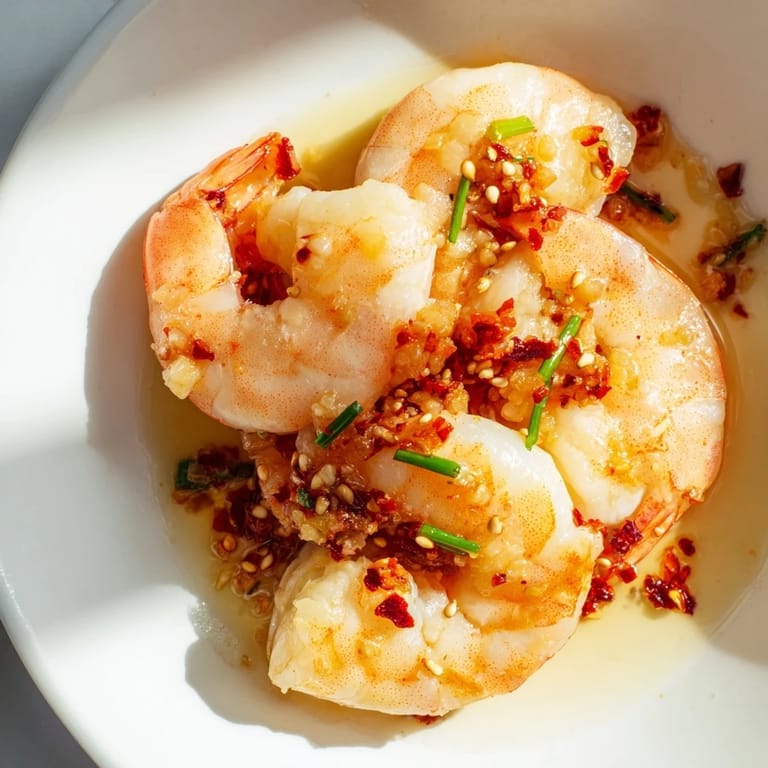 Save
Save This is the kind of dish that earns you a reputation for being able to cook, even though it's secretly one of the easiest things you can make. I hope it becomes your version of a kitchen triumph too.
Recipe FAQs
- → What type of shrimp works best?
Large, peeled, and deveined shrimp are ideal for even cooking and better sauce absorption.
- → Can I adjust the spice level?
Yes, increase or reduce the gochugaru or add red pepper flakes to tailor the heat to your taste.
- → What can I use instead of butter?
Dairy-free butter substitutes work well for lactose-free versions without sacrificing richness.
- → How should I serve this dish?
It pairs wonderfully with steamed rice, noodles, or can be enjoyed as a flavorful appetizer.
- → Are there common allergens present?
Yes, this dish contains shellfish, soy, and dairy; check replacements if allergies are a concern.