 Save
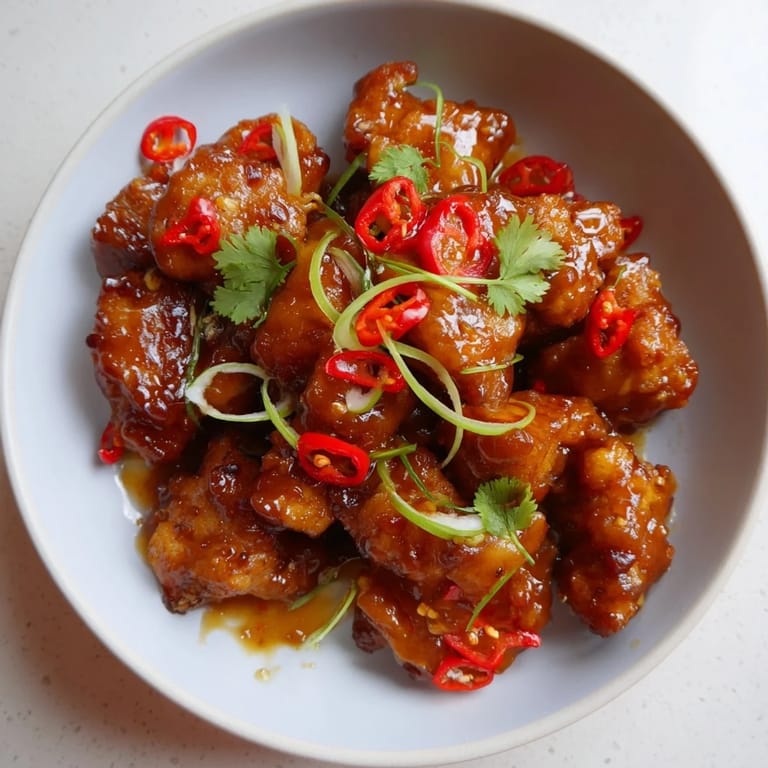
Save The first time I truly understood Vietnamese cooking wasn't from a recipe book, but from watching my neighbor's wok dance with flames, the kitchen filling with a smell that made my stomach growl before I'd even eaten. She was making caramel chicken, and I was mesmerized by how something that started as burnt sugar could become this glossy, impossibly aromatic sauce that clung to tender chicken pieces. I finally asked for her method, and she laughed, saying it was less about following rules and more about listening—to the sizzle, watching the color shift from pale gold to deep amber, feeling the moment when chaos becomes harmony.
I made this for friends who thought they knew Vietnamese food, and watching them go quiet after the first bite was worth every careful moment of caramel-watching. One of them kept asking if there was cream in the sauce—there wasn't, just fish sauce and that glossy reduction—which somehow made them love it more.
Ingredients
- Boneless, skinless chicken thighs (800 g): Thighs are forgiving and stay tender even with longer cooking, unlike breast meat which can turn stringy if you're not watching the clock.
- Fish sauce (3 tbsp): This is your secret weapon; it doesn't smell like victory at first, but trust it—it deepens into something savory and almost meaty once it hits the heat.
- Light soy sauce (2 tbsp): The lighter version keeps the dish bright instead of turning everything murky brown.
- Brown sugar (2 tbsp): Adds a subtle molasses depth that granulated sugar alone won't give you.
- Lime juice (1 tbsp): This is your balance—it cuts through the richness and wakes everything up right before serving.
- Minced garlic (2 tsp): Fresh is non-negotiable here; jarred garlic will make you regret it.
- Freshly ground black pepper (1 tsp): Coarse pepper, freshly cracked, gives texture and bite that pre-ground just can't match.
- Vegetable oil (1 tbsp): Keep it neutral so the flavors stay center stage.
- Granulated sugar (4 tbsp) and water (3 tbsp): For the caramel—this ratio is precise because you need enough water to dissolve the sugar without rushing the process.
- Spring onions and fresh coriander: These aren't just decoration; they add a sharp, fresh note that balances all that richness.
- Red chili (optional): If you like heat, thin slices scattered on top do more than spice—they add a visual brightness that makes people want to dig in.
Tired of Takeout? 🥡
Get 10 meals you can make faster than delivery arrives. Seriously.
One email. No spam. Unsubscribe anytime.
Instructions
- Make the marinade and coat your chicken:
- Combine fish sauce, soy sauce, lime juice, garlic, and black pepper in a bowl, then toss in your chicken pieces until everything is coated. Letting it sit for 15 minutes isn't just tradition—it gives the flavors time to start breaking down the protein and seasoning it from the inside out.
- Burn your sugar until it smells like danger:
- Pour sugar and water into a large skillet over medium heat and don't touch it—no stirring, no swirling. Just watch it shift from clear to pale blonde to amber, about 4 to 5 minutes, and stop before it goes dark brown (that's the line between caramel and charcoal).
- Create controlled chaos:
- The moment your caramel hits the right color, add the marinated chicken and all its juices in one swift motion. It will hiss and steam and look wild for a second—this is correct, and it's actually cooling down the caramel so it won't be bitter.
- Build the glaze:
- Add your tablespoon of oil and turn the heat up to medium-high, stirring occasionally for 8 to 10 minutes until the chicken is cooked through and the sauce transforms into something glossy and clingy. You'll know it's ready when a spoon dragged through leaves a trail and the chicken pieces are golden and coated.
- Taste, adjust, and decide:
- Before plating, taste a small piece and let your palate guide you—does it need more salty fish sauce bite, more bright lime, or is it already perfect?
 Save
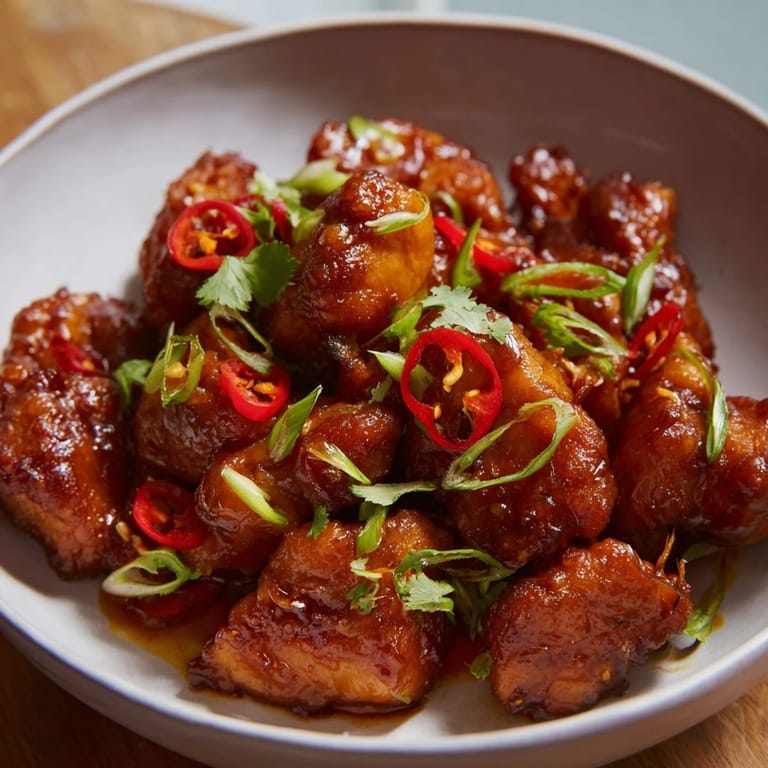
Save There was a night I made this dish in a tiny kitchen that barely fit two people, and my partner and I kept bumping shoulders while the chicken glazed, laughing at how something so small was somehow becoming this deeply aromatic, restaurant-quality meal. It became our go-to when we wanted to feel a little fancy without spending hours cooking.
Why Chicken Thighs Matter Most
Breast meat gets the attention, but thighs are the quiet hero of this dish. They have more fat running through them, which means they stay juicy even if your timing isn't perfect, and they absorb the glaze like they were born for it. The slight richness of thigh meat is what lets all those savory Vietnamese flavors sing without tasting thin or one-note.
The Caramel Moment and Why It Matters
Caramel is the soul of this dish, and it's worth taking seriously. That deep amber color develops when the sugar's moisture has fully evaporated and the molecules start breaking down into hundreds of new flavors—nutty, bitter, complex. When you add the cold chicken to hot caramel, it cools slightly and stops cooking, locking in that flavor intensity instead of letting it burn away.
Serving and Pairing Ideas
This dish shines brightest over jasmine rice, where the grain's delicate aroma and slight sweetness echo the caramel without fighting it. Crisp white wine or iced green tea are your best friends here—they cut through the richness and refresh your palate between bites, making you come back for more.
- If you're feeling fancy, serve in small bowls with rice on the side and let people build their own bites for maximum flavor.
- Leftovers actually improve as they sit; the sauce continues to meld with the chicken, so don't hesitate to make extra.
- The dish stays warm for about 30 minutes loosely covered, which gives you time to breathe and chat instead of rushing straight to the table.
 Save
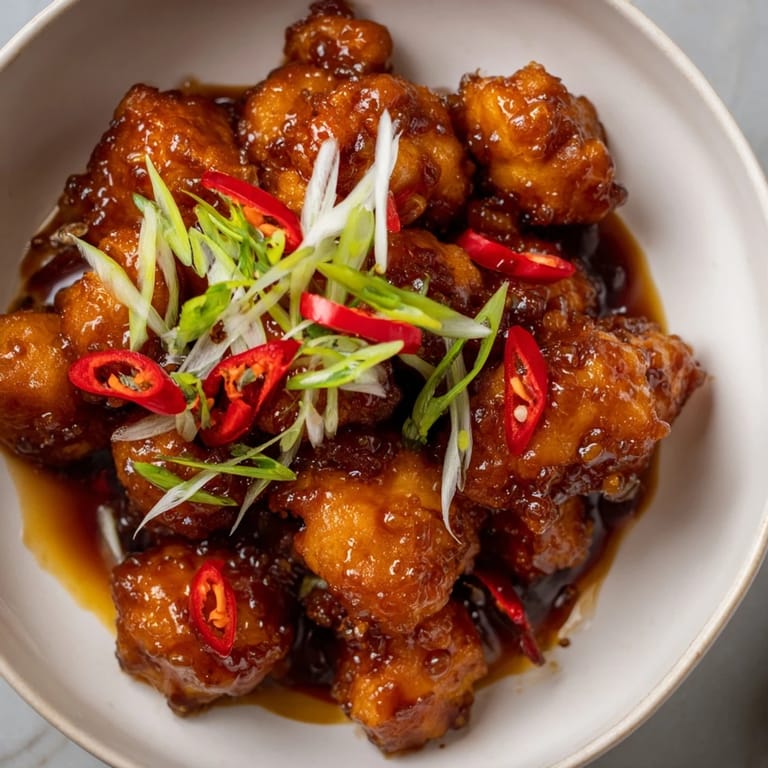
Save This is the kind of meal that turns an ordinary night into something worth remembering—simple enough that you're not stressed, good enough that everyone asks for seconds. Once you nail the caramel moment, you'll be making this again and again.
Recipe FAQs
- → What cut of chicken works best for this dish?
Boneless, skinless chicken thighs are ideal for tenderness and flavor, but chicken breasts can be used with careful cooking to avoid dryness.
- → How is the caramel glaze prepared without burning?
Heating granulated sugar and water over medium heat without stirring allows for controlled melting, turning the mixture a deep amber color in about 4-5 minutes. Monitoring closely is essential to prevent burning.
- → Can this dish be made spicier?
Yes, adding extra sliced red chili or a pinch of chili flakes enhances the heat while complementing the sweet and savory flavors.
- → What alternatives exist for the fish sauce in the marinade?
For a milder or vegetarian option, tamari or soy sauce can replace fish sauce, though this will slightly alter the traditional taste profile.
- → What side dishes complement this caramel-glazed chicken?
Steamed jasmine rice is classic, but light vegetable stir-fries or crisp salads also balance the rich glaze well.